
What is the difference between own-occupation and any-occupation disability?
What you need to know
The distinction between own-occupation and any-occupation disability is the pivot point in most long-term LTD disputes. In the first phase of your policy — typically 24 months — you qualify for benefits if you cannot perform the material duties of your specific occupation. A cardiovascular surgeon with hand tremors, for example, may be disabled from surgery even if she could theoretically work as a general practitioner.
At the 24-month cliff, the definition shifts. Now the insurer asks whether you can perform any occupation for which you are reasonably qualified — and suddenly the same surgeon may no longer qualify because she could teach at a medical school or consult. This transition triggers a surge of termination letters, and it is the moment at which insurers invest heavily in independent medical examinations, surveillance, and vocational assessments designed to identify alternative occupations.
The any-occupation determination is not unlimited. The standard is whether you are capable of “gainful employment” — courts have interpreted this to require actual, existing jobs in the national economy that match your residual functional capacity. Vocational experts retained by insurers often identify occupations that are sedentary on paper but ignore your specific cognitive, physical, or psychiatric limitations.
Under Firestone v. Bruch, if your plan grants discretion to the administrator, the court will defer to a reasonable interpretation of “any occupation.” Building a strong vocational counterargument — with your treating physicians, a retained vocational expert, and a detailed functional capacity evaluation — is essential before and at the 24-month mark.
Our firm handles own-occ to any-occ transitions on contingency. No fee unless we win.

Other ways we help
Same firm, same approach — different practice areas under one roof.
Workers’ Compensation
Injured at work. Lost wages. Denied benefits.
Learn more →Social Security Disability
Can’t work due to a disability. SSDI & SSI claims, denials, appeals.
Learn more →Personal Injury
Car accident. Construction site. Scaffold Law.
Learn more →Workers’ Rights
Retaliation, wage theft, harassment. Plaintiff-side only.
Learn more →The attorneys who work your case
Not a call centre. The lawyer who signs you is the lawyer who shows up.
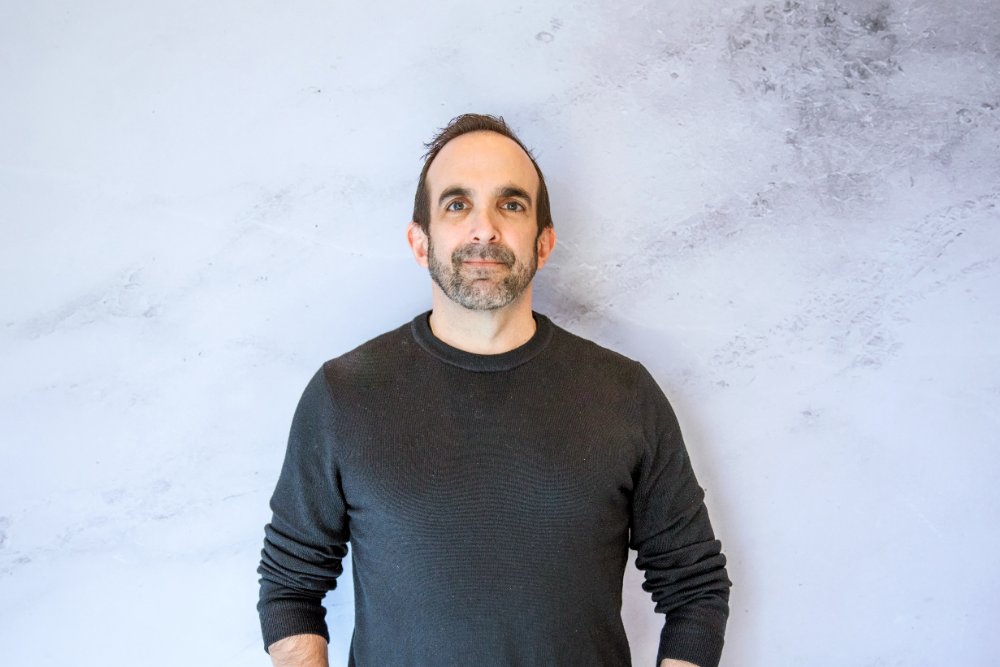
Brian M. Mittman, Esq.
Managing Partner · Markhoff & Mittman, P.C.
Call 866-205-2415 Schedule with Brian- Admitted in New York
- 30+ years in practice
- Attends Board hearings personally
Brian has personally handled New York workers' compensation, SSDI, and personal-injury cases for over three decades. Your case is never handed off to a paralegal.
- Admitted in New York and New Jersey
- Pace University School of Law, J.D.
- Litigates before the Workers' Compensation Board
Randy has litigated every type of claim before the Workers' Compensation Board on behalf of hundreds of claimants.
- Admitted in New York, 2008
- New York Law School, J.D. 2007
- With The Disability Guys since 2013
Benai has spent more than a decade fighting for injured workers before the Workers' Compensation Board and the New York State Employees' Retirement Board.
- Admitted in New York, 2007
- 20 years in practice
- Fluent in Spanish
Emily has spent two decades on New York workers' compensation and Social Security Disability matters, including service as an Agency Attorney and Hearing Officer for NYC Transit and the MTA.
- Admitted in New York, 2023
- Albany Law School, J.D. 2022
- Handles Third Department appeals
Lauren represents injured workers in Workers' Compensation matters and handles appeals before the Appellate Division, Third Department.

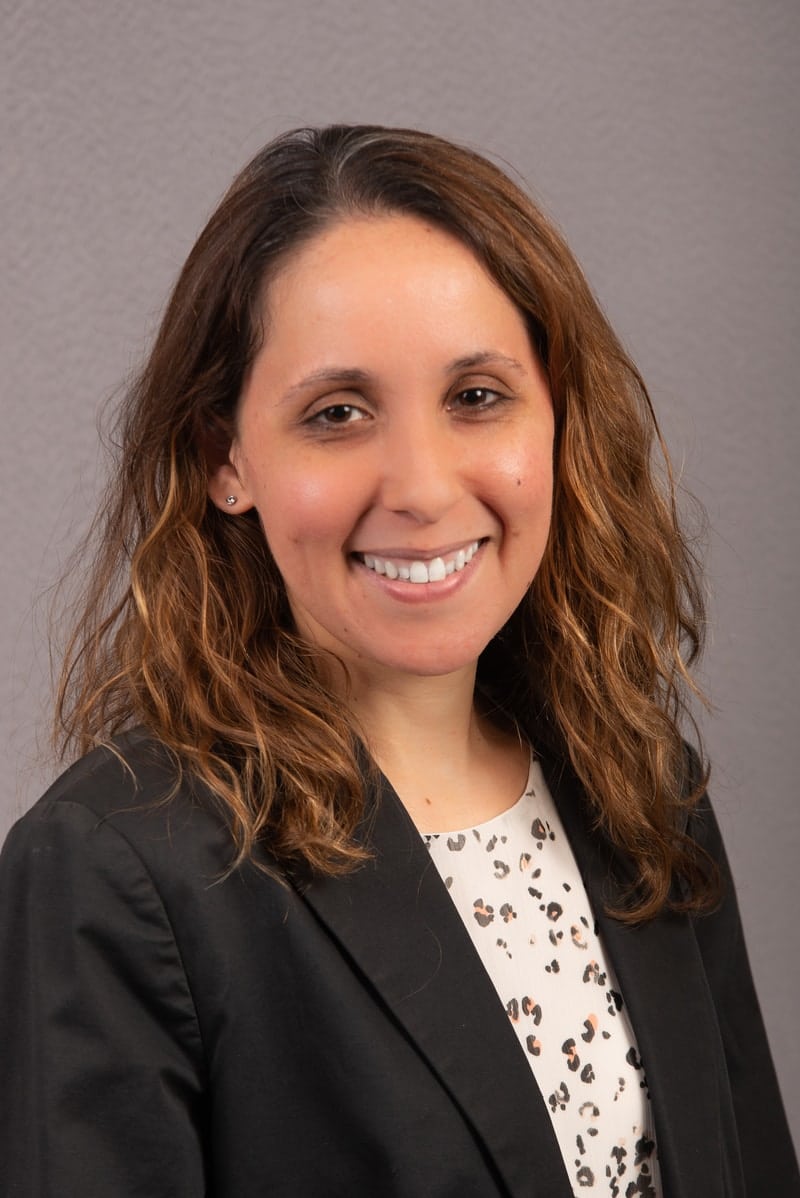


Talk to a real attorney today.
Free consultation. No fee unless we win. English or Spanish. Day or night.