
What’s the difference between SSDI and SSI?
What you need to know
SSDI and SSI are both federal disability programs run by the Social Security Administration, but they work very differently.
SSDI is an insurance program. You earn coverage by working and paying FICA taxes. To qualify you need enough work credits (see our separate FAQ) and a medical condition that meets SSA standards under 42 U.S.C. §423(d). Your monthly benefit is calculated from your lifetime earnings record — there is no income or asset cap. After 24 months on SSDI you automatically receive Medicare.
SSI is a welfare program funded by general tax revenue, not your payroll taxes. Anyone who is aged, blind, or disabled and has limited income and resources can apply — even people who never worked. The 2026 federal benefit rate is $967/month for an individual and $1,450/month for a couple. States like New York add a small supplement on top. SSI recipients usually qualify for Medicaid immediately.
Many people qualify for both programs at the same time — called ‘concurrent benefits.’ This often happens when your SSDI amount is low. SSA offsets the payments so you do not receive both in full.
The medical rules are identical for both programs. SSA uses the same five-step sequential evaluation and the same Blue Book listings. Our team handles both SSDI and SSI claims — hablamos español and serve clients across New York. No fee unless we win.

Other ways we help
Same firm, same approach — different practice areas under one roof.
Workers’ Compensation
Injured at work. Lost wages. Denied benefits.
Learn more →Long-Term Disability
Private LTD insurance denied or cut off. ERISA appeals.
Learn more →Personal Injury
Car accident. Construction site. Scaffold Law.
Learn more →Workers’ Rights
Retaliation, wage theft, harassment. Plaintiff-side only.
Learn more →The attorneys who work your case
Not a call center. The lawyer who signs you is the lawyer who shows up.

Brian M. Mittman, Esq.
Managing Partner · Markhoff & Mittman, P.C.
Call 866-205-2415 Schedule with Brian- Admitted in New York
- 30+ years in practice
- Attends Board hearings personally
Brian has personally handled New York workers' compensation, SSDI, and personal-injury cases for over three decades. Your case is never handed off to a paralegal.
- Admitted in New York and New Jersey
- Pace University School of Law, J.D.
- Litigates before the Workers' Compensation Board
Randy has litigated every type of claim before the Workers' Compensation Board on behalf of hundreds of claimants.
- Admitted in New York, 2008
- New York Law School, J.D. 2007
- With The Disability Guys since 2013
Benai has spent more than a decade fighting for injured workers before the Workers' Compensation Board and the New York State Employees' Retirement Board.
- Admitted in New York, 2007
- 20 years in practice
- Fluent in Spanish
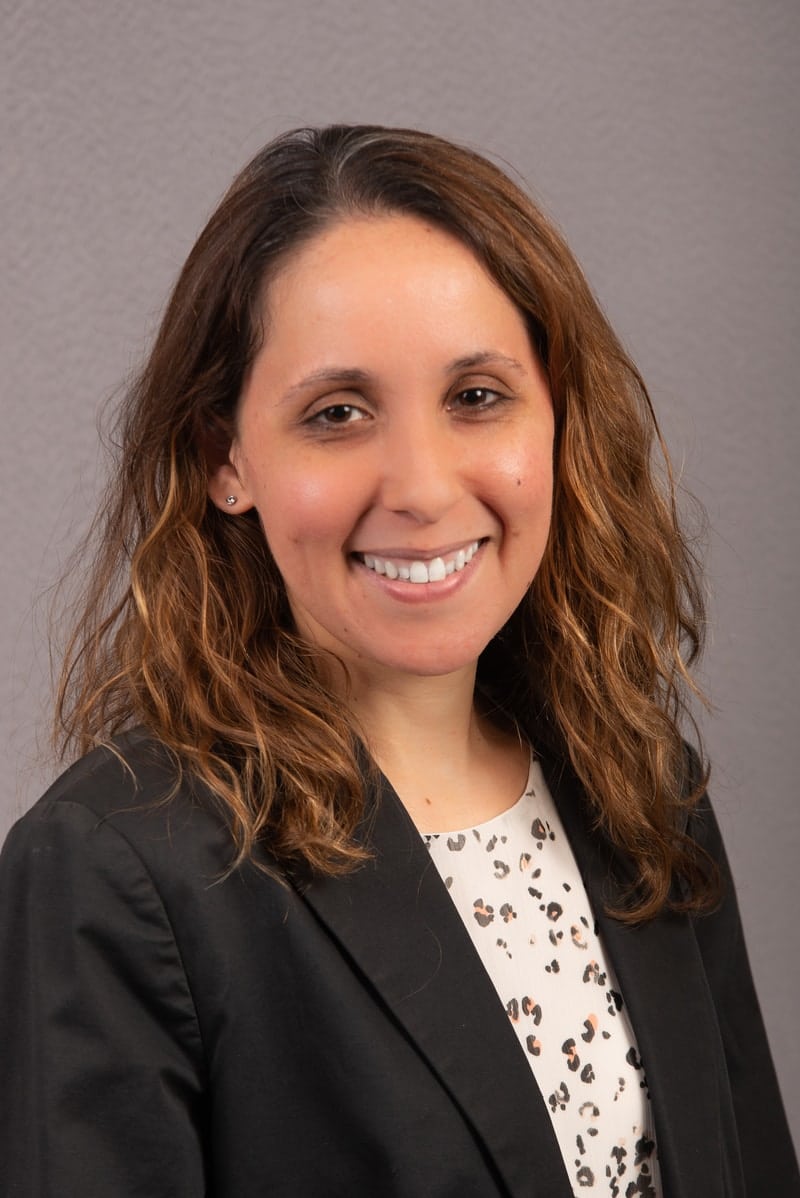
Emily has spent two decades on New York workers' compensation and Social Security Disability matters, including service as an Agency Attorney and Hearing Officer for NYC Transit and the MTA.
- Admitted in New York, 2023
- Albany Law School, J.D. 2022
- Handles Third Department appeals
Lauren represents injured workers in Workers' Compensation matters and handles appeals before the Appellate Division, Third Department.




Talk to a real attorney today.
Free consultation. No fee unless we win. English or Spanish. Day or night.