
Does a property owner in New York need notice of a dangerous condition to be liable?
What you need to know
When you are injured on someone else's property — a store, a landlord's building, a restaurant, or a neighbor's home — the property owner's liability generally depends on whether they knew or should have known about the dangerous condition.
Actual vs. Constructive Notice
Actual notice means the owner was directly told about the hazard — a tenant complained about a broken step, or a store employee saw the spill. Constructive notice means the condition existed long enough that a reasonable owner exercising due care should have discovered and fixed it. A banana peel on a grocery store floor for 30 minutes may create constructive notice; one that just fell probably does not.
Exceptions: Created Conditions
If the property owner or their employee created the dangerous condition, notice is irrelevant — they are liable automatically. A store employee who mops a floor and leaves it wet without a warning sign created the hazard.
Municipal Property
When the dangerous condition is on a city sidewalk, in a public park, or on any government-owned property, the rules change. You must file a Notice of Claim within 90 days under General Municipal Law §50-e. Additionally, New York City requires that it had prior written notice of a sidewalk defect before it can be held liable — set out in Administrative Code §7-201.
Landlord Liability
Landlords in New York have a non-delegable duty to maintain common areas in reasonably safe condition. Evidence of repeated complaints, prior incidents, or ignored repair orders is powerful in these cases.
The lawsuit deadline is three years under CPLR 214. No fee unless we win.

Other ways we help
Same firm, same approach — different practice areas under one roof.
Workers’ Compensation
Injured at work. Lost wages. Denied benefits.
Learn more →Social Security Disability
Can’t work due to a disability. SSDI & SSI claims, denials, appeals.
Learn more →Long-Term Disability
Private LTD insurance denied or cut off. ERISA appeals.
Learn more →Personal Injury
Car accident. Construction site. Scaffold Law.
Learn more →Workers’ Rights
Retaliation, wage theft, harassment. Plaintiff-side only.
Learn more →The attorneys who work your case
Not a call center. The lawyer who signs you is the lawyer who shows up.
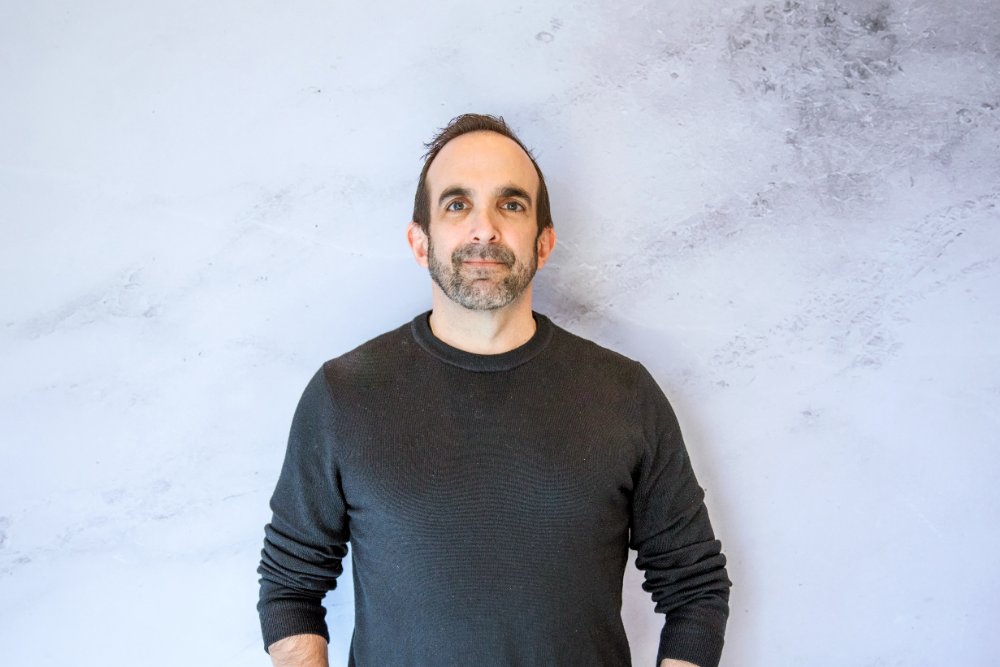
Brian M. Mittman, Esq.
Managing Partner · Markhoff & Mittman, P.C.
Call 866-205-2415 Schedule with Brian- Admitted in New York
- 30+ years in practice
- Attends Board hearings personally
Brian has personally handled New York workers' compensation, SSDI, and personal-injury cases for over three decades. Your case is never handed off to a paralegal.
- Admitted in New York and New Jersey
- Pace University School of Law, J.D.
- Litigates before the Workers' Compensation Board
Randy has litigated every type of claim before the Workers' Compensation Board on behalf of hundreds of claimants.
- Admitted in New York, 2008
- New York Law School, J.D. 2007
- With The Disability Guys since 2013
Benai has spent more than a decade fighting for injured workers before the Workers' Compensation Board and the New York State Employees' Retirement Board.
- Admitted in New York, 2007
- 20 years in practice
- Fluent in Spanish
Emily has spent two decades on New York workers' compensation and Social Security Disability matters, including service as an Agency Attorney and Hearing Officer for NYC Transit and the MTA.
- Admitted in New York, 2023
- Albany Law School, J.D. 2022
- Handles Third Department appeals
Lauren represents injured workers in Workers' Compensation matters and handles appeals before the Appellate Division, Third Department.




Talk to a real attorney today.
Free consultation. No fee unless we win. English or Spanish. Day or night.