
SSDI for Mental Health Conditions

Mental Illness Can Qualify You for SSDI — With the Right Evidence
The SSA Blue Book dedicates an entire chapter to mental disorders — Section 12.00. Qualifying listings include Listing 12.04 (depressive, bipolar, and related disorders), Listing 12.06 (anxiety and obsessive-compulsive disorders), Listing 12.15 (trauma- and stressor-related disorders including PTSD), and Listing 12.03 (schizophrenia spectrum and other psychotic disorders). To meet a listing you must satisfy both the paragraph A criteria (specific clinical findings) and the paragraph B criteria (marked or extreme limitations in four functional areas: understanding and applying information; interacting with others; concentrating, persisting, or maintaining pace; and adapting or managing oneself).
Mental health claims are harder to document than physical ones because the evidence depends heavily on treatment notes, psychological evaluations, and the credibility of reported symptoms. SSA examiners sometimes discount mental health conditions as subjective, citing normal-appearing examinations or gaps in treatment. Our attorneys know how to obtain detailed narrative reports from treating psychiatrists and psychologists that address the paragraph B criteria specifically, and how to explain treatment gaps caused by financial hardship, lack of insurance, or the nature of the illness itself — all recognized under SSR 16-3p.
Applicants who do not meet a listing can still be approved through a medical-vocational allowance if their psychiatric RFC prevents them from sustaining full-time work. Limitations in concentration, pace, and social interaction can rule out most competitive employment when properly documented. We represent clients with depression, anxiety, bipolar disorder, schizophrenia, PTSD, and other psychiatric diagnoses across New York — many of whom had been told their mental illness was not serious enough to qualify. We also offer consultations in Spanish for clients and families who prefer it. No fee unless we win.
What you need to know
Plain-English answers to the questions that come up most often on these cases.
Listing 12.04 — Depression/Bipolar
Covers major depressive disorder, bipolar I and II. Requires clinical findings plus marked paragraph B limitations.
Read moreListing 12.06 — Anxiety/OCD
Covers generalized anxiety, panic disorder, social anxiety, agoraphobia, and OCD.
Read moreListing 12.15 — PTSD
Trauma and stressor-related disorders. Intrusive memories, avoidance, and hyperarousal must be clinically documented.
Read moreParagraph B Criteria
Marked or extreme limitations in understanding, interacting, concentrating, or adapting — required for most mental listings.
Read moreSSR 16-3p — Symptom Evaluation
The SSR that governs how SSA evaluates subjective symptoms like pain, fatigue, and psychiatric complaints.
Read morePsychiatric RFC
When no listing is met, a well-documented psychiatric RFC showing concentration and social limits can still win at Step 5.
Read moreHow we handle these cases
Treating Source Statements
We work with your psychiatrist or psychologist to obtain a detailed narrative opinion that maps your symptoms directly to the paragraph B functional areas SSA requires.
Explaining Treatment Gaps
SSA often penalizes claimants for not seeking treatment consistently. We document financial barriers, medication side effects, or the condition itself as the cause — all valid under SSR 16-3p.
Psychological Testing
IQ testing, neuropsychological evaluations, and structured clinical interviews add objective weight to psychiatric claims. We coordinate these where they will help most.
Credibility Building
Mental health denials often hinge on credibility. We build a complete picture — daily activities, social isolation, hospitalizations, medication history — that corroborates your reported limitations.
Vocational Impact Argument
Even when a listing is not met, we show the ALJ that your concentration deficits, emotional dysregulation, or social limitations eliminate all competitive employment under the RFC framework.
Real cases. Real results.
Three recent Social Security Disability outcomes — case context and result. No client identifying information.
A 44-year-old Brooklyn social worker with treatment-resistant major depressive disorder and three psychiatric hospitalizations was approved at the initial level after we submitted a detailed treating-psychiatrist statement addressing every paragraph B criterion.
A 38-year-old Bronx veteran with combat PTSD had been denied twice. At the ALJ hearing we introduced VA records, a neuropsychological evaluation, and a vocational impact statement that showed he could not sustain work pace or tolerate workplace stress.
A 30-year-old Queens client with schizophrenia spectrum disorder had a limited work history. We secured approval under Listing 12.03 and filed concurrent SSI, maximizing his total monthly benefit with immediate Medicaid coverage.
Prior results do not guarantee a similar outcome. Each case is evaluated on its own facts. The case outcomes shown are representative examples; details have been altered or generalized to protect client confidentiality.
Related questions
Quick answers from our FAQ library.
Other ways we help
Same firm, same approach — different practice areas under one roof.
Workers’ Compensation
Injured at work. Lost wages. Denied benefits.
Learn more →Long-Term Disability
Private LTD insurance denied or cut off. ERISA appeals.
Learn more →Personal Injury
Car accident. Construction site. Scaffold Law.
Learn more →Workers’ Rights
Retaliation, wage theft, harassment. Plaintiff-side only.
Learn more →Social Security Disability lawyers near you
Seven New York offices serving working clients across the state.
The attorneys who work your case
Not a call center. The lawyer who signs you is the lawyer who shows up.
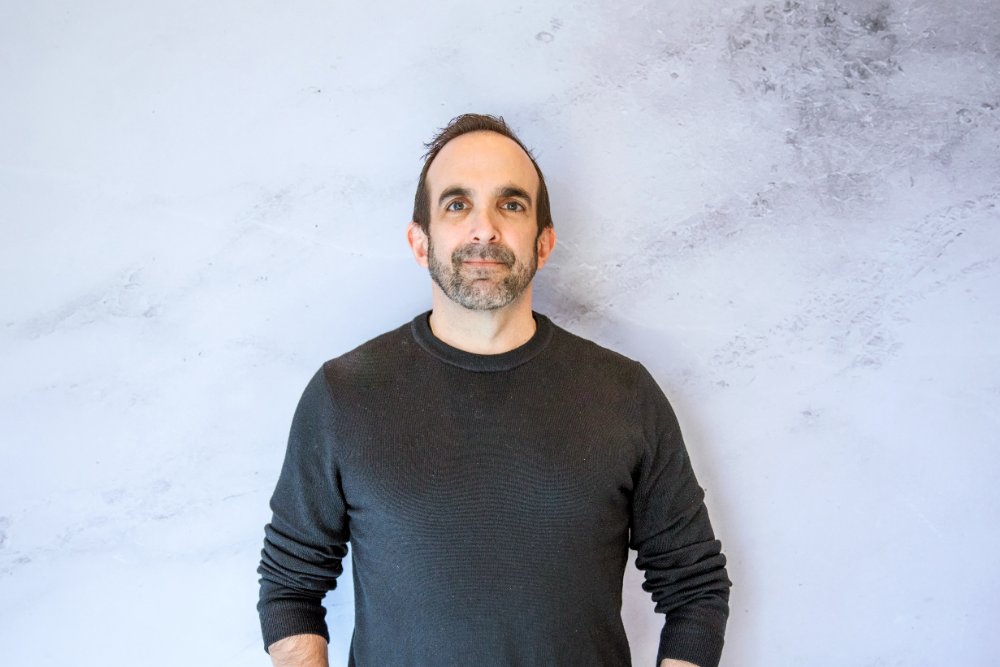
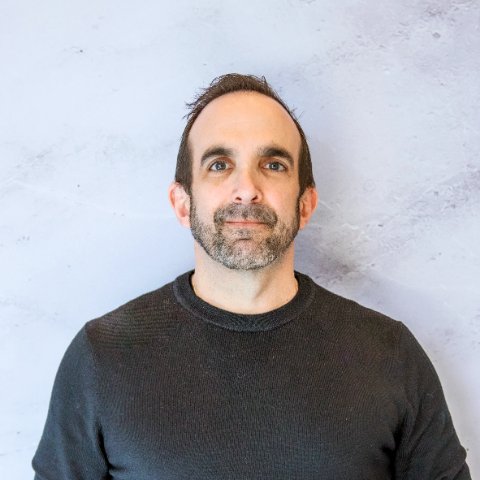
Brian M. Mittman, Esq.
Managing Partner · Markhoff & Mittman, P.C.
Call 866-205-2415 Schedule with Brian- Admitted in New York
- 30+ years in practice
- Attends Board hearings personally
Brian has personally handled New York workers' compensation, SSDI, and personal-injury cases for over three decades. Your case is never handed off to a paralegal.
- Admitted in New York and New Jersey
- Pace University School of Law, J.D.
- Litigates before the Workers' Compensation Board
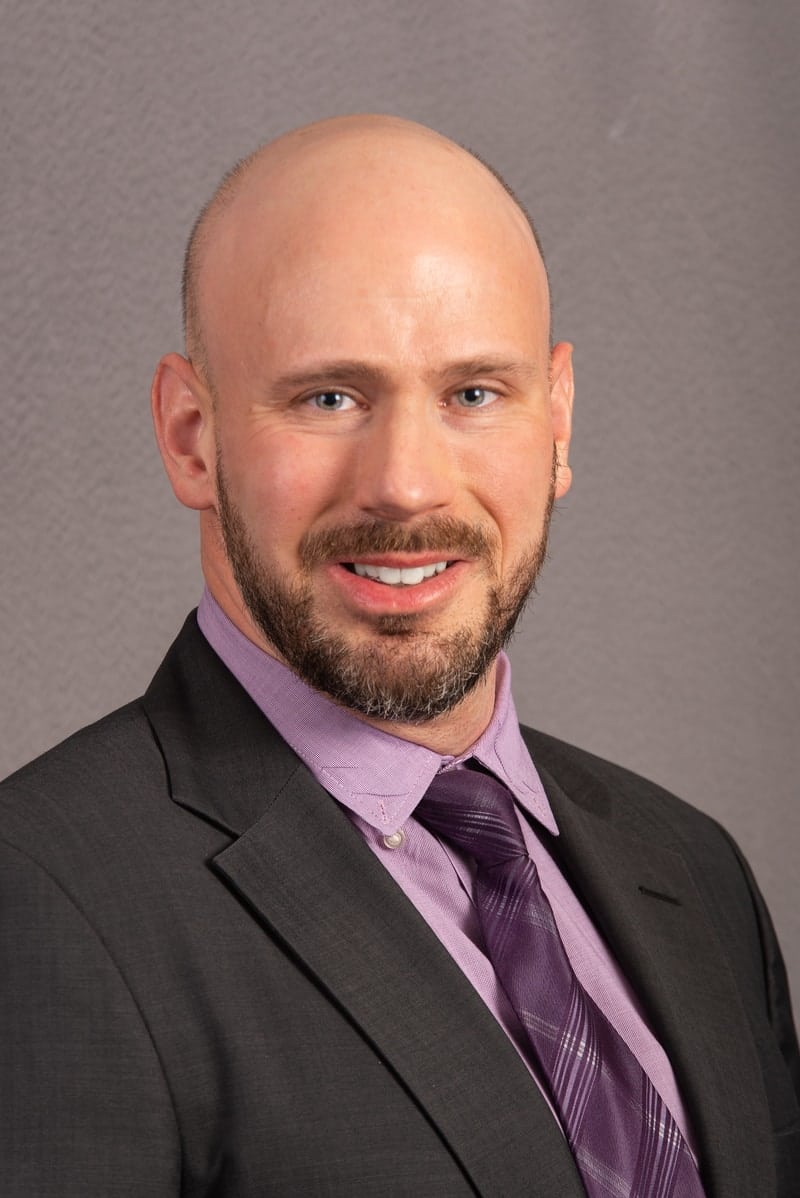
Randy has litigated every type of claim before the Workers' Compensation Board on behalf of hundreds of claimants.
- Admitted in New York, 2008
- New York Law School, J.D. 2007
- With The Disability Guys since 2013
Benai has spent more than a decade fighting for injured workers before the Workers' Compensation Board and the New York State Employees' Retirement Board.
- Admitted in New York, 2007
- 20 years in practice
- Fluent in Spanish
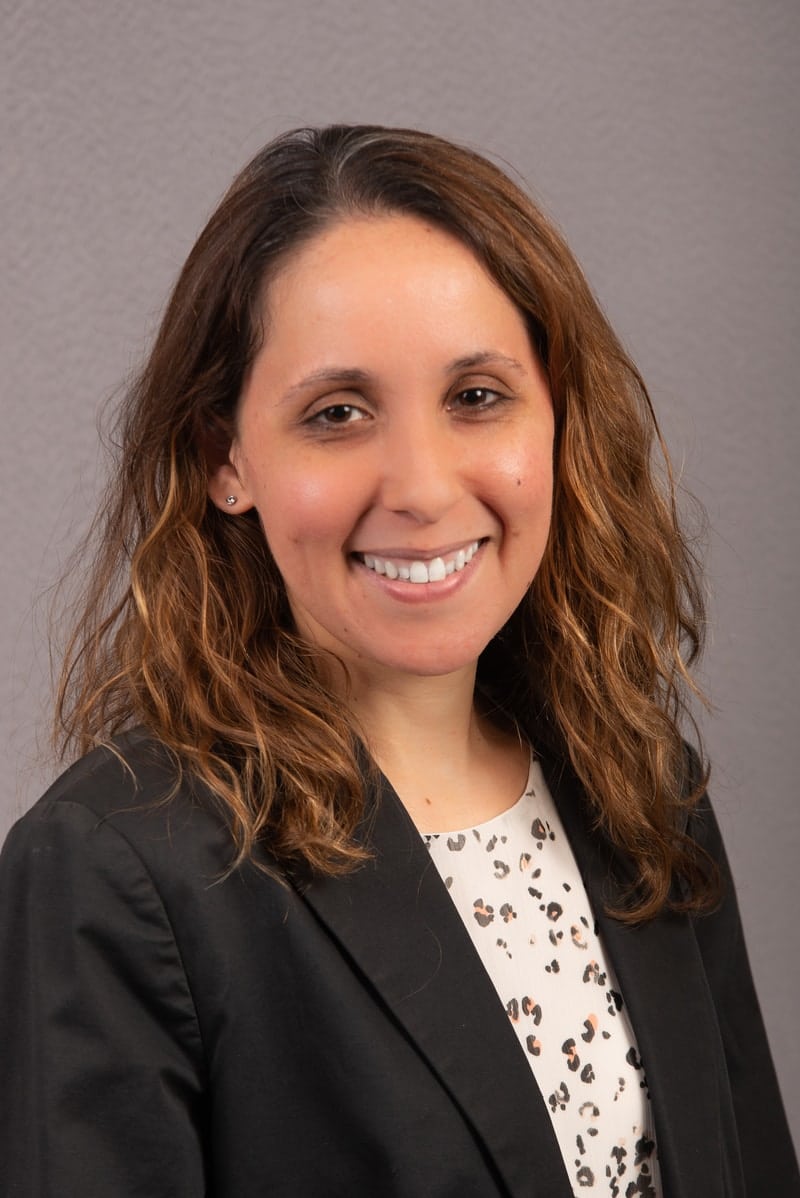
Emily has spent two decades on New York workers' compensation and Social Security Disability matters, including service as an Agency Attorney and Hearing Officer for NYC Transit and the MTA.
- Admitted in New York, 2023
- Albany Law School, J.D. 2022
- Handles Third Department appeals
Lauren represents injured workers in Workers' Compensation matters and handles appeals before the Appellate Division, Third Department.
Need a social security disability lawyer?
Free consultation. No fee unless we win. English or Spanish. Day or night.