
What are the Social Security Grid Rules and how do they help older claimants?
What you need to know
The Grid Rules — officially the Medical-Vocational Guidelines — are SSA’s framework for deciding disability at Step 5 of the five-step evaluation. They are found at 20 C.F.R. Part 404, Subpart P, Appendix 2. Think of them as lookup tables: enter your RFC, age, education level, and prior work skill level, and the Grid either directs ‘disabled’ or ‘not disabled.’
Why age matters so much:
- Under 50 (younger individual): Grids rarely direct disabled unless your RFC is sedentary and your education/skills are very limited.
- Age 50–54 (closely approaching advanced age): Grids more often direct disabled for sedentary and light RFC claimants with limited education.
- Age 55+ (advanced age): Even a light or medium RFC with unskilled work background can direct a disabled finding under rules like Grid 202.06 or 203.14.
- Age 60+: The rules become even more favorable.
The Grid Rules are mandatory guidelines, not just suggestions. If the Grid directs ‘disabled,’ the ALJ must approve — the Vocational Expert’s testimony cannot override it.
When the Grid does not directly apply (e.g., you have non-exertional limitations like pain, depression, or concentration problems), SSA uses the Grid as a ‘framework’ and also relies on Vocational Expert testimony. SSR 83-14 governs this situation.
If you are approaching age 50 or 55, timing your application can make a real difference. Our attorneys know how to position your claim to maximize the benefit of the Grid Rules.

Other ways we help
Same firm, same approach — different practice areas under one roof.
Workers’ Compensation
Injured at work. Lost wages. Denied benefits.
Learn more →Long-Term Disability
Private LTD insurance denied or cut off. ERISA appeals.
Learn more →Personal Injury
Car accident. Construction site. Scaffold Law.
Learn more →Workers’ Rights
Retaliation, wage theft, harassment. Plaintiff-side only.
Learn more →The attorneys who work your case
Not a call center. The lawyer who signs you is the lawyer who shows up.
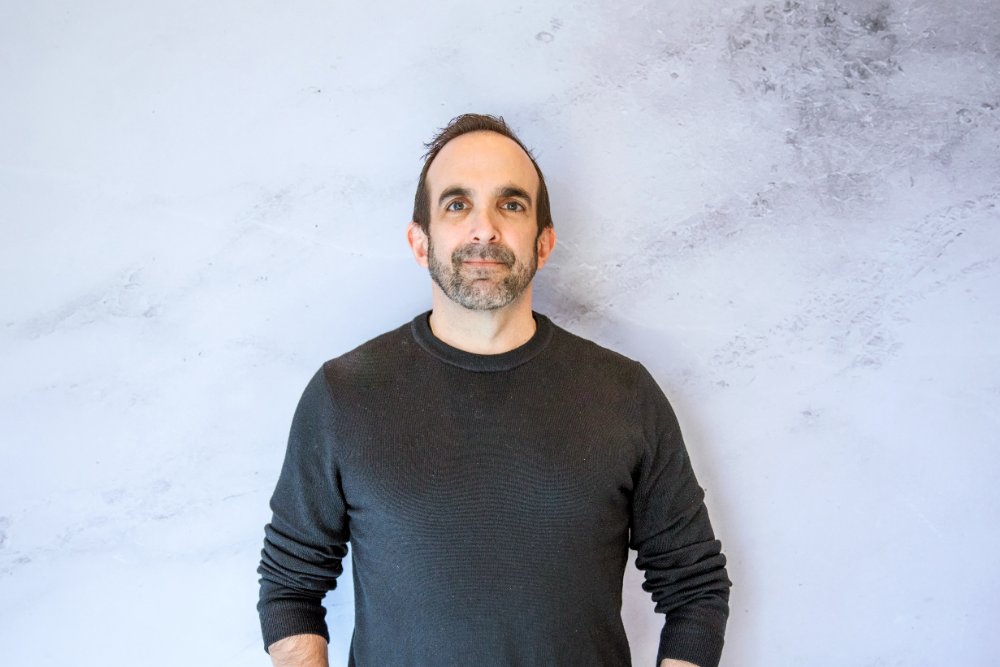
Brian M. Mittman, Esq.
Managing Partner · Markhoff & Mittman, P.C.
Call 866-205-2415 Schedule with Brian- Admitted in New York
- 30+ years in practice
- Attends Board hearings personally
Brian has personally handled New York workers' compensation, SSDI, and personal-injury cases for over three decades. Your case is never handed off to a paralegal.
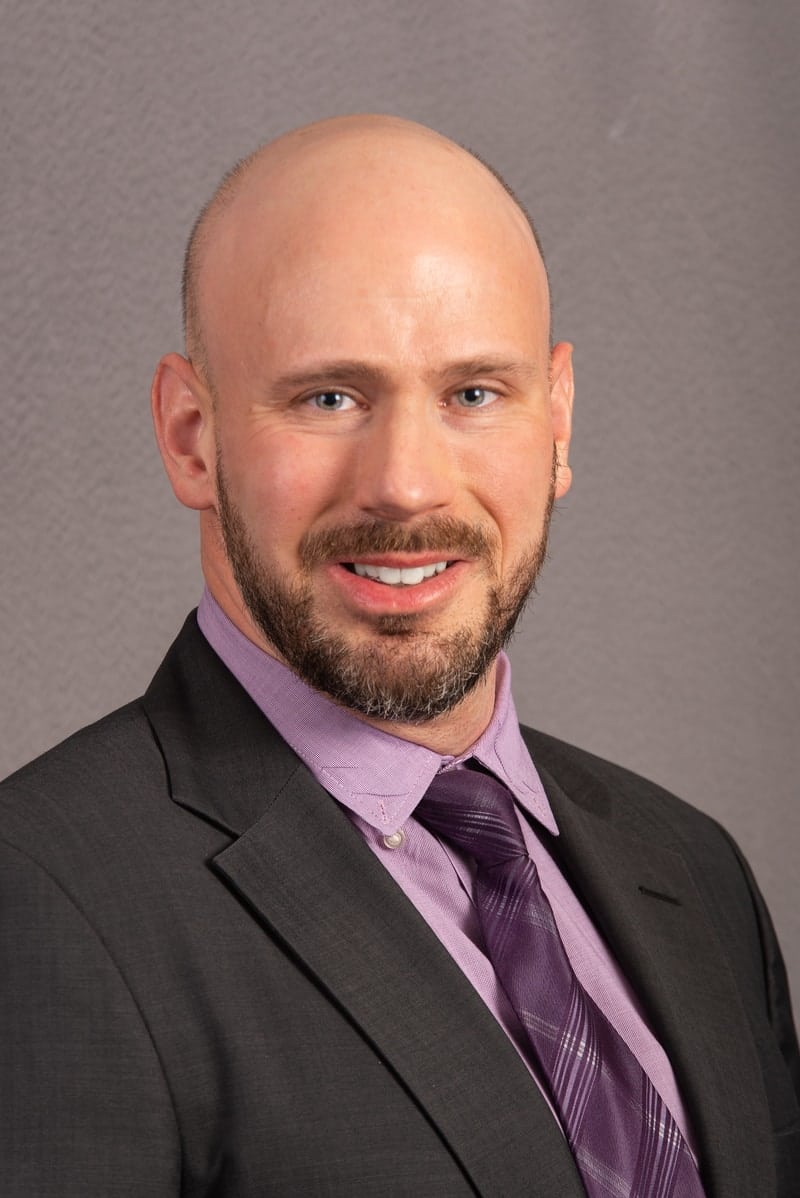
- Admitted in New York and New Jersey
- Pace University School of Law, J.D.
- Litigates before the Workers' Compensation Board
Randy has litigated every type of claim before the Workers' Compensation Board on behalf of hundreds of claimants.
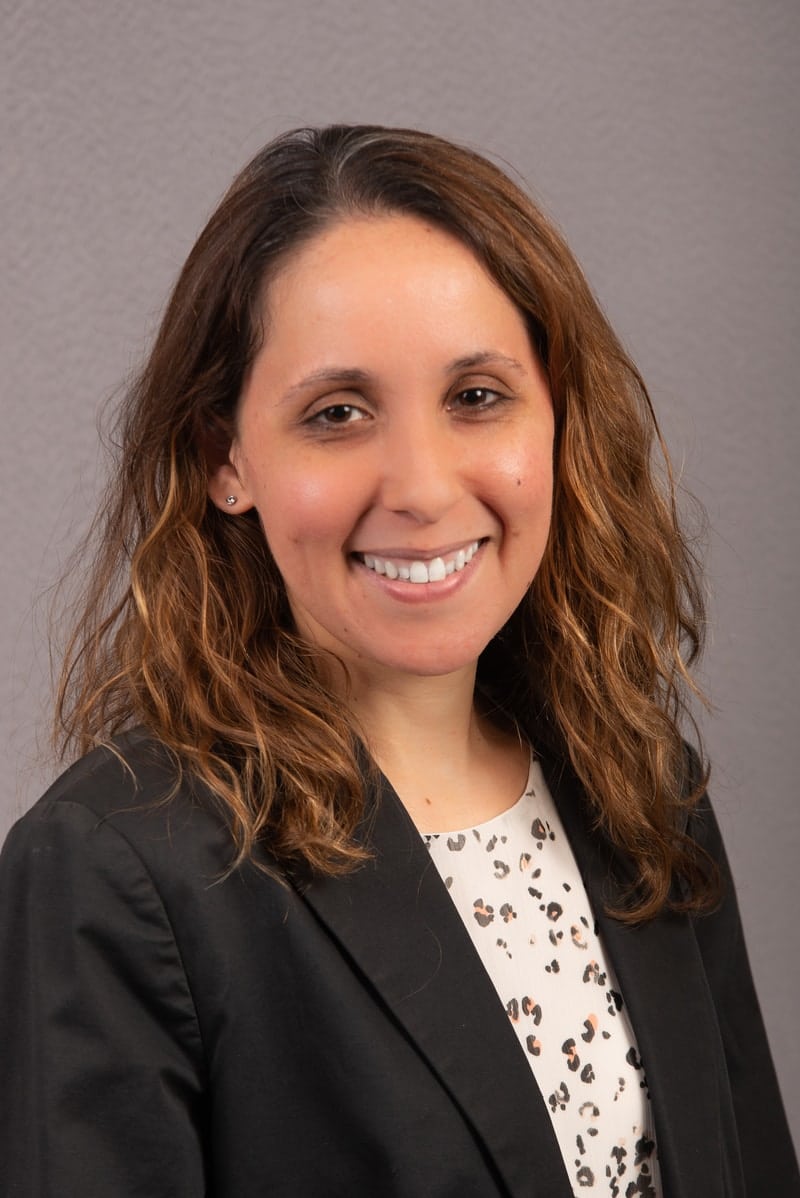
- Admitted in New York, 2008
- New York Law School, J.D. 2007
- With The Disability Guys since 2013
Benai has spent more than a decade fighting for injured workers before the Workers' Compensation Board and the New York State Employees' Retirement Board.
- Admitted in New York, 2007
- 20 years in practice
- Fluent in Spanish
Emily has spent two decades on New York workers' compensation and Social Security Disability matters, including service as an Agency Attorney and Hearing Officer for NYC Transit and the MTA.
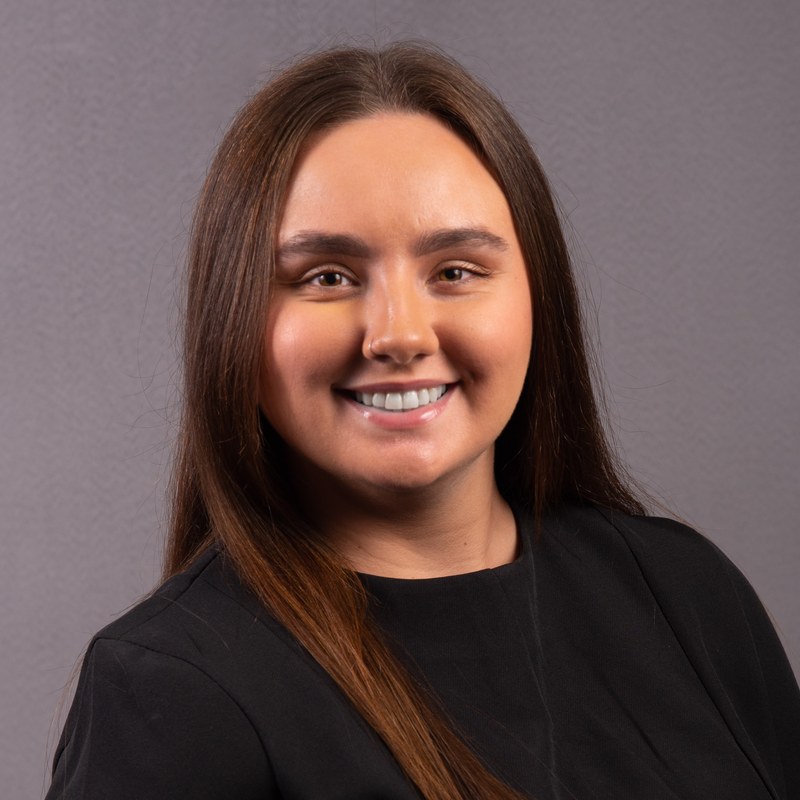
- Admitted in New York, 2023
- Albany Law School, J.D. 2022
- Handles Third Department appeals
Lauren represents injured workers in Workers' Compensation matters and handles appeals before the Appellate Division, Third Department.

Talk to a real attorney today.
Free consultation. No fee unless we win. English or Spanish. Day or night.