
Is Autism Spectrum Disorder a qualifying disability for SSDI?
Often yes — but the Social Security Administration evaluates every application on the medical record, not the diagnosis alone. Autism spectrum disorder in adults can support an SSDI claim when symptoms severely impair social interaction, communication, or the ability to handle workplace change.
What decides a Autism Spectrum Disorder claim
Three things the Social Security Administration looks at — and what the medical record has to show.
-
How it affects your ability to work
Sensory sensitivities, social communication impairments, and rigid adherence to routines can make many workplace environments inaccessible. Co-occurring anxiety or depression often compounds the picture.
-
The SSA Blue Book listing
Listing: Listing 12.10 (Autism spectrum disorder).
-
How SSA evaluates your claim
Formal autism diagnosis from a qualified clinician (often via ADOS-2 or ADI-R), documentation of social and adaptive functional impairment, and history of accommodation needs or work failures.

What proves a Autism Spectrum Disorder SSDI claim.
SSDI is a documentation case. The medical record is what wins or loses. Bring or have on hand:
- Treating physician records (primary care + specialist)
- Diagnostic test results (imaging, labs, biopsies as applicable)
- Medication history including side effects
- Functional capacity statement from treating doctor
- Records of hospitalizations and ER visits
Don’t have all of these? That’s normal. We help build the record during the application or appeal.
Recent Autism Spectrum Disorder cases we won.
Three recent SSDI outcomes involving Autism Spectrum Disorder or related conditions. No client identifying information.
Initial application and reconsideration denied. We rebuilt the medical record with treating-physician functional capacity statements and won at the federal ALJ hearing.
Worked with the treating specialist to align the medical record with the SSA Blue Book listing criteria. Approved at the reconsideration stage — no hearing required.
Client qualified for both SSDI based on work credits and SSI for the months before SSDI back-pay started. Combined benefits filled the gap.
Prior results do not guarantee a similar outcome. Each case is evaluated on its own facts. The case outcomes shown are representative examples; details have been altered or generalized to protect client confidentiality.

Other SSDI-qualifying conditions clients ask about.
The attorneys who work your case
Not a call center. The lawyer who signs you is the lawyer who shows up.

Brian M. Mittman, Esq.
Managing Partner · Markhoff & Mittman, P.C.
Call 866-205-2415 Schedule with Brian- Admitted in New York
- 30+ years in practice
- Attends Board hearings personally
Brian has personally handled New York workers' compensation, SSDI, and personal-injury cases for over three decades. Your case is never handed off to a paralegal.
- Admitted in New York and New Jersey
- Pace University School of Law, J.D.
- Litigates before the Workers' Compensation Board
Randy has litigated every type of claim before the Workers' Compensation Board on behalf of hundreds of claimants.
- Admitted in New York, 2008
- New York Law School, J.D. 2007
- With The Disability Guys since 2013
Benai has spent more than a decade fighting for injured workers before the Workers' Compensation Board and the New York State Employees' Retirement Board.
- Admitted in New York, 2007
- 20 years in practice
- Fluent in Spanish
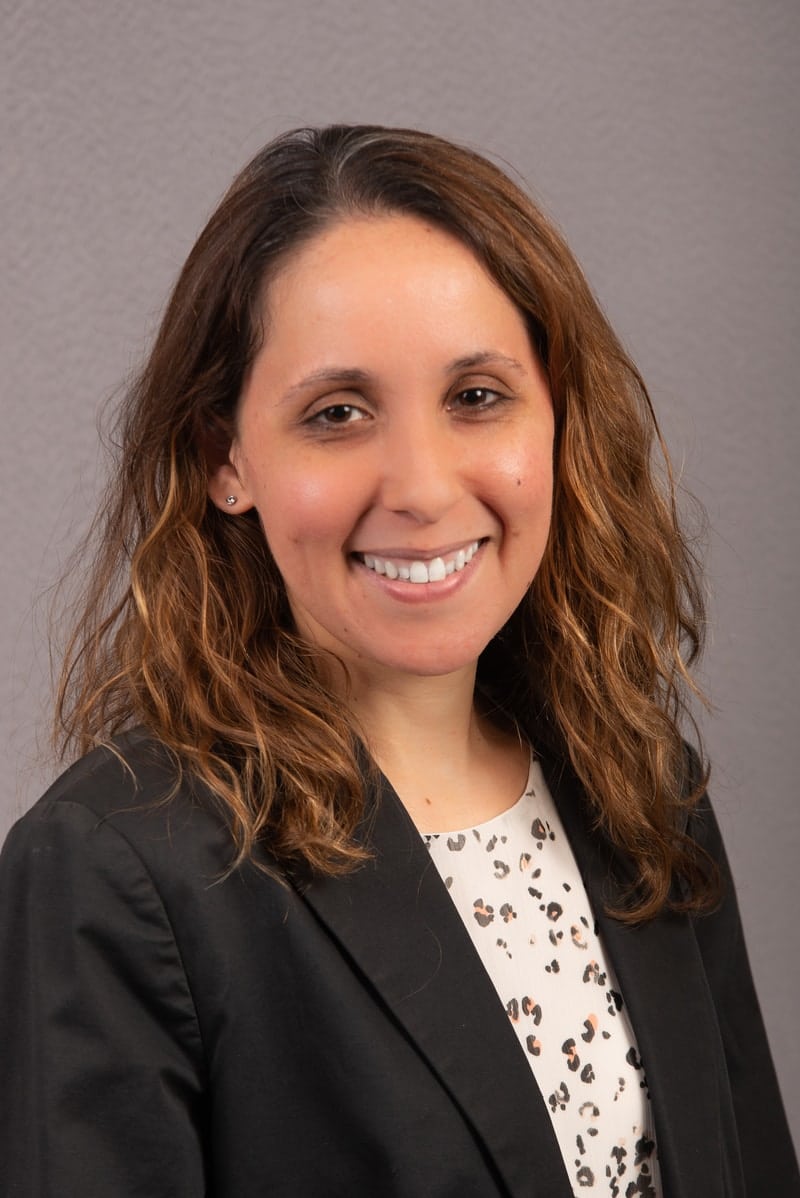
Emily has spent two decades on New York workers' compensation and Social Security Disability matters, including service as an Agency Attorney and Hearing Officer for NYC Transit and the MTA.
- Admitted in New York, 2023
- Albany Law School, J.D. 2022
- Handles Third Department appeals
Lauren represents injured workers in Workers' Compensation matters and handles appeals before the Appellate Division, Third Department.



Living with Autism Spectrum Disorder? Stop fighting Social Security alone.
Free consultation. No fee unless we win. Federal fee cap protects you.