
Your ALJ Hearing: What Actually Happens

The ALJ Hearing Is Your Best Shot at Winning SSDI
An ALJ hearing is a formal federal proceeding conducted by an Administrative Law Judge employed by SSA’s Office of Hearings Operations (OHO). Hearings in New York are held at offices in Manhattan, Brooklyn, Queens, Albany, Buffalo, and other locations — or by video. The judge is required to be impartial and independent of the DDS examiners who denied you. Under 20 C.F.R. § 404.944 you have the right to appear in person, present witnesses, and submit evidence. The hearing is recorded and the transcript becomes part of the administrative record for any future appeal.
Every SSDI hearing follows roughly the same sequence. The judge opens the record, swears in witnesses, and reviews the exhibit list with your attorney. You then give sworn testimony about your conditions, daily activities, work history, and why you cannot work. Next, a Vocational Expert (VE) — a labor market specialist hired by SSA — testifies about jobs that exist in the national economy. The VE answers hypothetical questions the judge poses about what a person with your limitations could do. Your attorney cross-examines the VE to challenge hypotheticals that do not accurately reflect your RFC. This cross-examination is often the hinge point of the entire hearing.
Judges issue written decisions that must explain their reasoning under SSR 96-8p and applicable Circuit Court precedent. A decision typically arrives six to eight weeks after the hearing. If approved, SSA calculates your back pay and begins payment within a few months. If denied, you have 60 days to request Appeals Council review. Our attorneys have handled hundreds of ALJ hearings across New York and know the tendencies of the judges, the most common VE challenges, and how to build a record that holds up on review. No fee unless we win — 25 percent of back pay, capped at $7,200.
What you need to know
Plain-English answers to the questions that come up most often on these cases.
What an ALJ Is
An Administrative Law Judge employed by SSA’s Office of Hearings Operations — independent from DDS.
Read moreVocational Expert (VE)
A labor market specialist who testifies about jobs you can do. Cross-examining the VE is critical.
Read moreMedical-Vocational Allowance
When your RFC, age, education, and work history combine to direct a finding of disabled at Step 5.
Read moreGrid Rules
20 C.F.R. Part 404, Subpart P, Appendix 2 — tables that may direct a finding of disabled based on your profile.
Read moreRFC Assessment
Residual Functional Capacity — what you can still do despite your impairments. The ALJ sets this.
Read moreOn-the-Record Decision
Sometimes an attorney can win without a hearing by requesting a fully favorable OTR decision from the ALJ.
Read moreHow we handle these cases
Pre-Hearing Brief
We submit a written pre-hearing brief to the ALJ laying out your theory of the case, the relevant listings, and the key medical evidence. This focuses the judge before testimony begins.
Updated Medical Evidence
We request records updated to within 90 days of the hearing. Stale records give the judge less reason to credit current limitations.
Client Testimony Prep
We conduct a full mock examination so you know exactly what the judge will ask, how to describe your worst days accurately, and what mistakes to avoid.
Vocational Expert Cross
We analyze the Dictionary of Occupational Titles and O*NET to identify inconsistencies in the VE testimony. A successful challenge to the VE can flip a denial into an approval on the spot.
On-the-Record Requests
When the record clearly supports approval, we file an OTR request with a brief asking the ALJ to issue a fully favorable decision without holding a hearing — saving months of waiting.
Real cases. Real results.
Three recent Social Security Disability outcomes — case context and result. No client identifying information.
A 60-year-old Yonkers machinist with severe osteoarthritis was told by the VE he could do three sedentary jobs. We challenged the VE on job numbers using Bureau of Labor Statistics data. The ALJ found the VE unreliable and approved the claim.
A 62-year-old client with COPD and congestive heart failure had an airtight record. We filed an OTR request citing Listing 3.09 and the Grid. The ALJ issued a fully favorable decision six weeks later, avoiding a hearing entirely.
A 55-year-old Staten Island laborer with a sedentary RFC and limited education was directed disabled under Grid Rule 201.14. The ALJ had no discretion once we established the RFC and the Grid applied.
Prior results do not guarantee a similar outcome. Each case is evaluated on its own facts. The case outcomes shown are representative examples; details have been altered or generalized to protect client confidentiality.
Related questions
Quick answers from our FAQ library.
Other ways we help
Same firm, same approach — different practice areas under one roof.
Workers’ Compensation
Injured at work. Lost wages. Denied benefits.
Learn more →Long-Term Disability
Private LTD insurance denied or cut off. ERISA appeals.
Learn more →Personal Injury
Car accident. Construction site. Scaffold Law.
Learn more →Workers’ Rights
Retaliation, wage theft, harassment. Plaintiff-side only.
Learn more →Social Security Disability lawyers near you
Seven New York offices serving working clients across the state.
The attorneys who work your case
Not a call center. The lawyer who signs you is the lawyer who shows up.
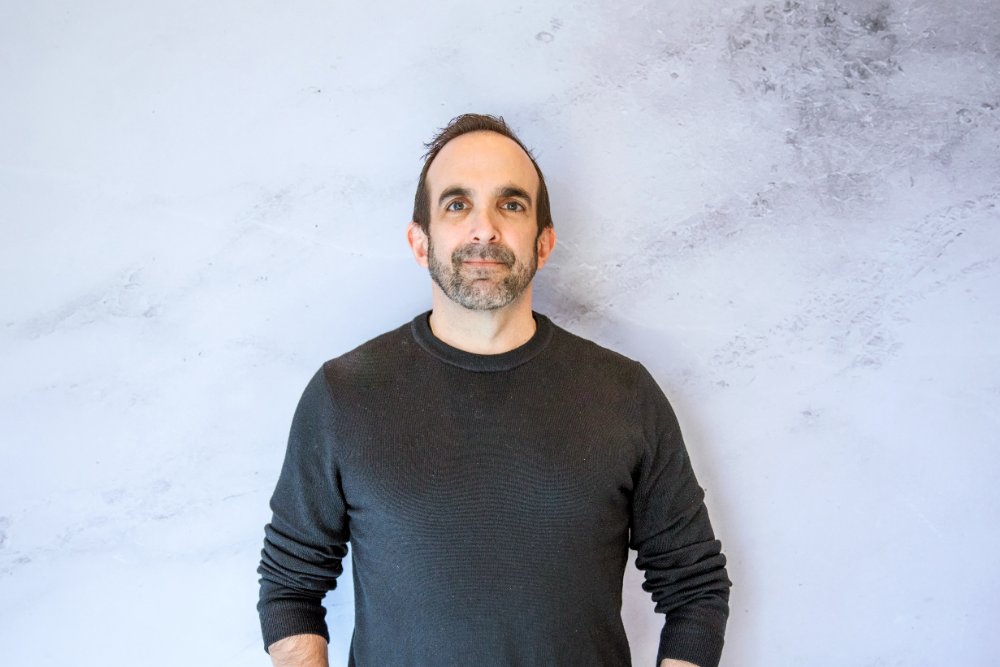
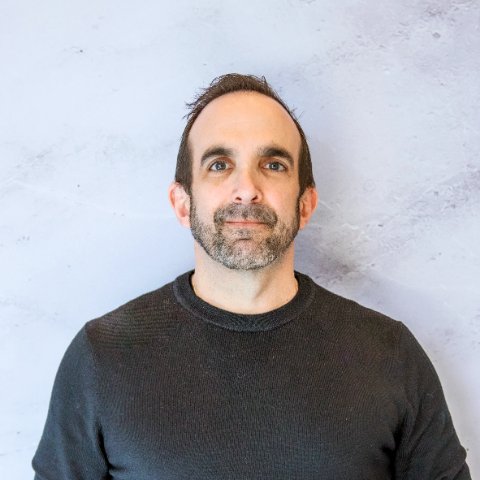
Brian M. Mittman, Esq.
Managing Partner · Markhoff & Mittman, P.C.
Call 866-205-2415 Schedule with Brian- Admitted in New York
- 30+ years in practice
- Attends Board hearings personally
Brian has personally handled New York workers' compensation, SSDI, and personal-injury cases for over three decades. Your case is never handed off to a paralegal.
- Admitted in New York and New Jersey
- Pace University School of Law, J.D.
- Litigates before the Workers' Compensation Board
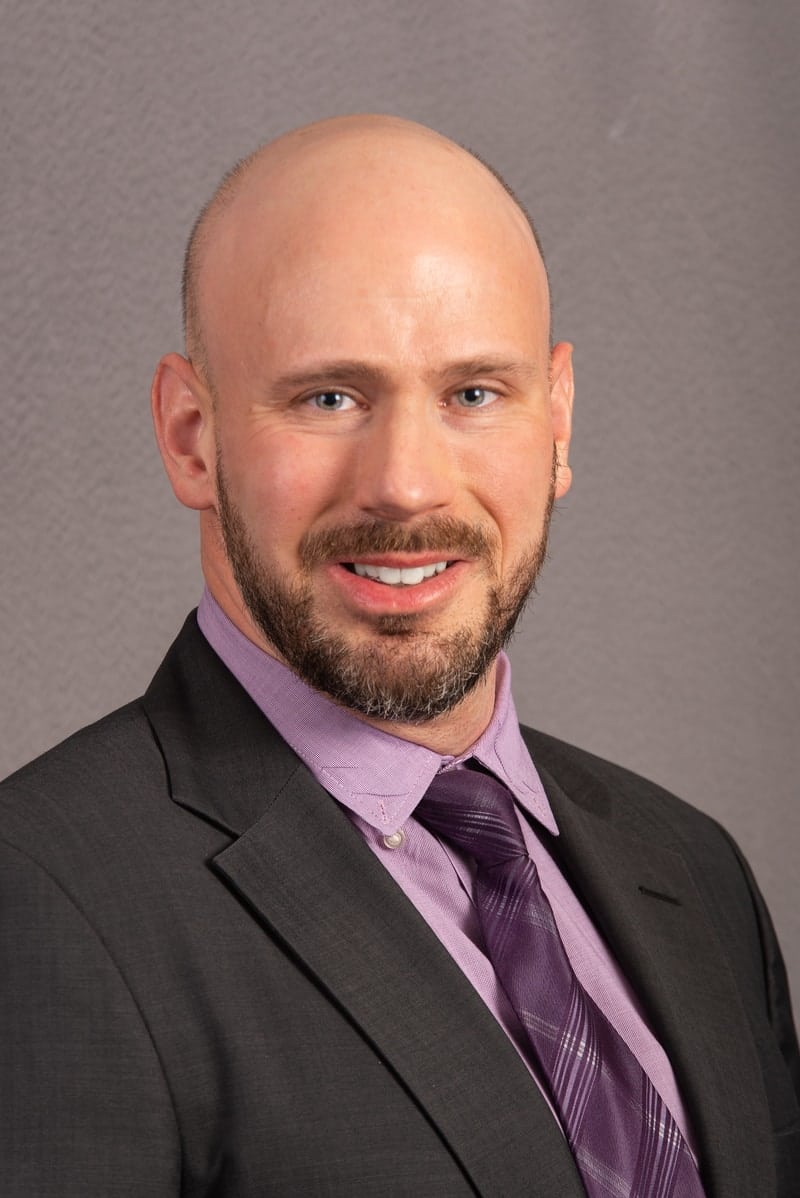
Randy has litigated every type of claim before the Workers' Compensation Board on behalf of hundreds of claimants.
- Admitted in New York, 2008
- New York Law School, J.D. 2007
- With The Disability Guys since 2013
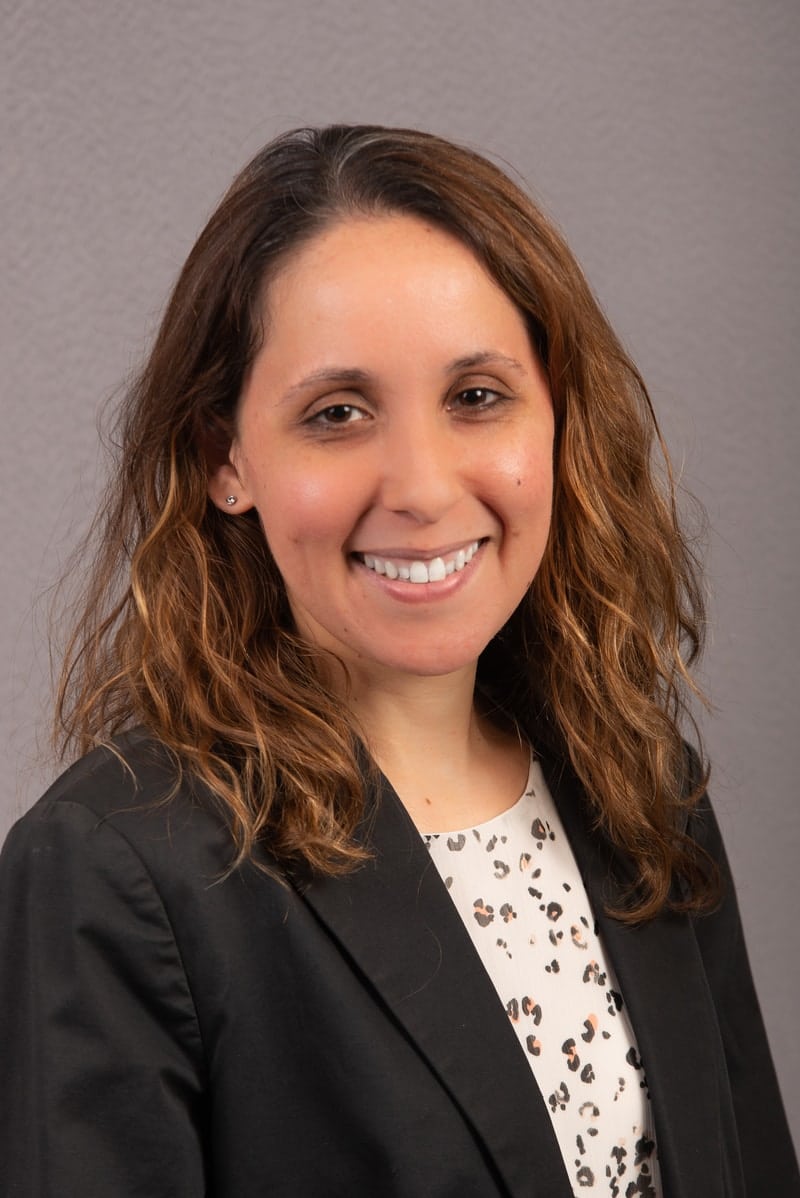
Benai has spent more than a decade fighting for injured workers before the Workers' Compensation Board and the New York State Employees' Retirement Board.
- Admitted in New York, 2007
- 20 years in practice
- Fluent in Spanish
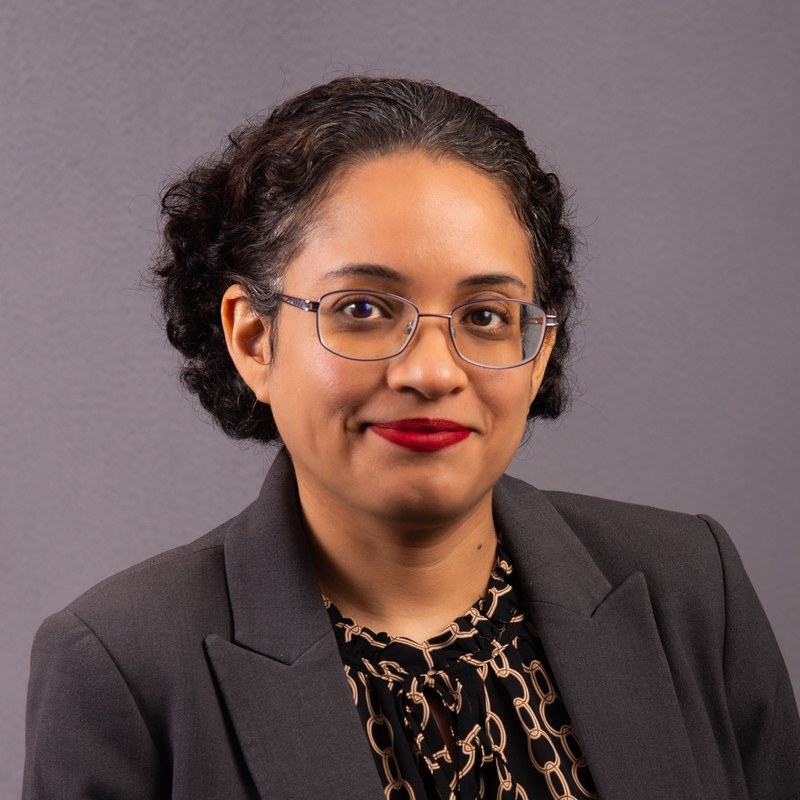
Emily has spent two decades on New York workers' compensation and Social Security Disability matters, including service as an Agency Attorney and Hearing Officer for NYC Transit and the MTA.
- Admitted in New York, 2023
- Albany Law School, J.D. 2022
- Handles Third Department appeals
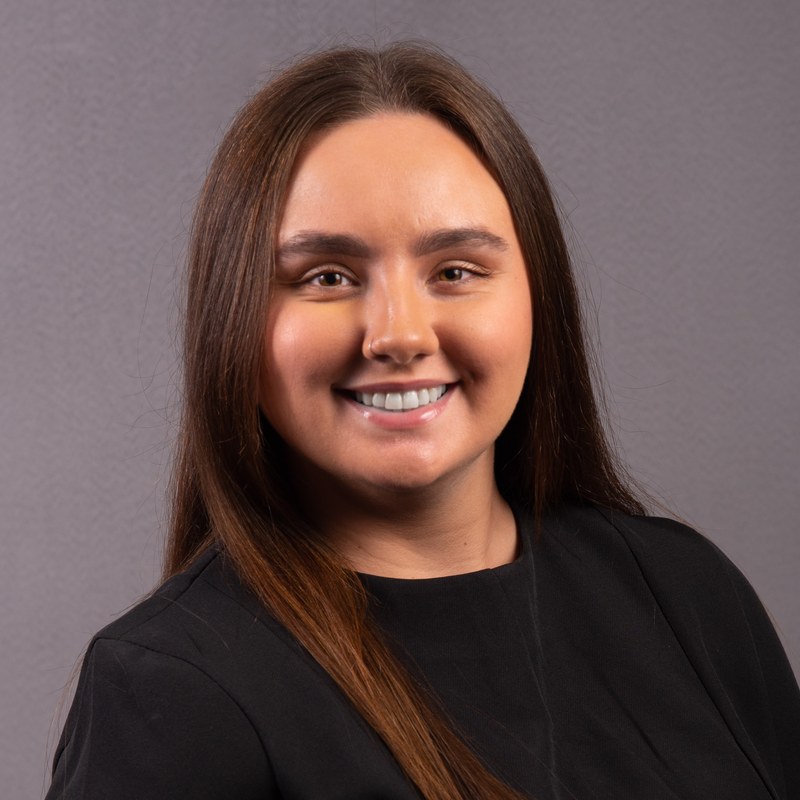
Lauren represents injured workers in Workers' Compensation matters and handles appeals before the Appellate Division, Third Department.
Need a social security disability lawyer?
Free consultation. No fee unless we win. English or Spanish. Day or night.