
Can children receive SSDI or SSI disability benefits?
What you need to know
Children can access Social Security Disability benefits through two distinct pathways, and it is worth understanding both before filing.
Pathway 1 — Dependent benefits on a parent’s SSDI record: If a parent receives SSDI, each unmarried child under 18 (or 19 if still in high school) can receive up to 50% of the parent’s monthly benefit. The child does not need to be disabled. If the child has a disability that began before age 22, they may continue receiving these benefits as a Disabled Adult Child (DAC) indefinitely, even after the parent retires or dies.
Pathway 2 — Child’s own SSI claim: A disabled child under 18 can apply for SSI in their own name if the family’s income and resources fall within SSA’s limits. SSA ‘deems’ a portion of the parents’ income to the child when calculating eligibility.
The medical standard for a child’s SSI claim is different from the adult standard. Under 20 C.F.R. §416.926a, SSA evaluates six functional domains:
- Acquiring and using information
- Attending and completing tasks
- Interacting and relating with others
- Moving about and manipulating objects
- Caring for yourself
- Health and physical well-being
The child must show a ‘marked’ limitation in two domains or an ‘extreme’ limitation in one to be found disabled. Conditions like autism spectrum disorder (Blue Book 112.10), ADHD, and childhood cancers often qualify.
We handle children’s SSI claims and Disabled Adult Child applications. Hablamos español — call us if your family needs help navigating these rules.

Other ways we help
Same firm, same approach — different practice areas under one roof.
Workers’ Compensation
Injured at work. Lost wages. Denied benefits.
Learn more →Long-Term Disability
Private LTD insurance denied or cut off. ERISA appeals.
Learn more →Personal Injury
Car accident. Construction site. Scaffold Law.
Learn more →Workers’ Rights
Retaliation, wage theft, harassment. Plaintiff-side only.
Learn more →The attorneys who work your case
Not a call center. The lawyer who signs you is the lawyer who shows up.
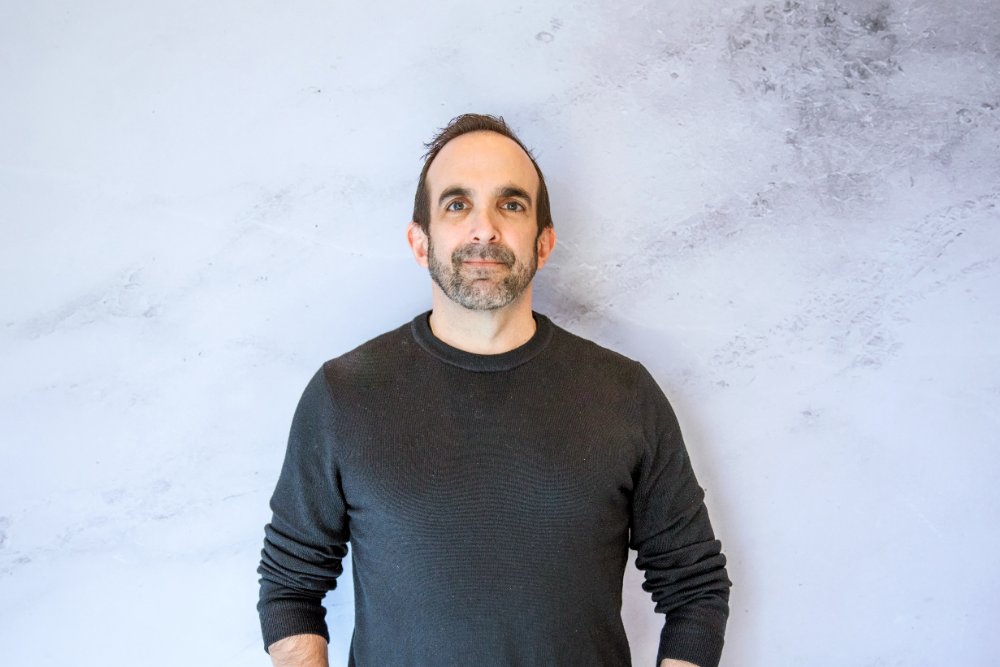
Brian M. Mittman, Esq.
Managing Partner · Markhoff & Mittman, P.C.
Call 866-205-2415 Schedule with Brian- Admitted in New York
- 30+ years in practice
- Attends Board hearings personally
Brian has personally handled New York workers' compensation, SSDI, and personal-injury cases for over three decades. Your case is never handed off to a paralegal.
- Admitted in New York and New Jersey
- Pace University School of Law, J.D.
- Litigates before the Workers' Compensation Board
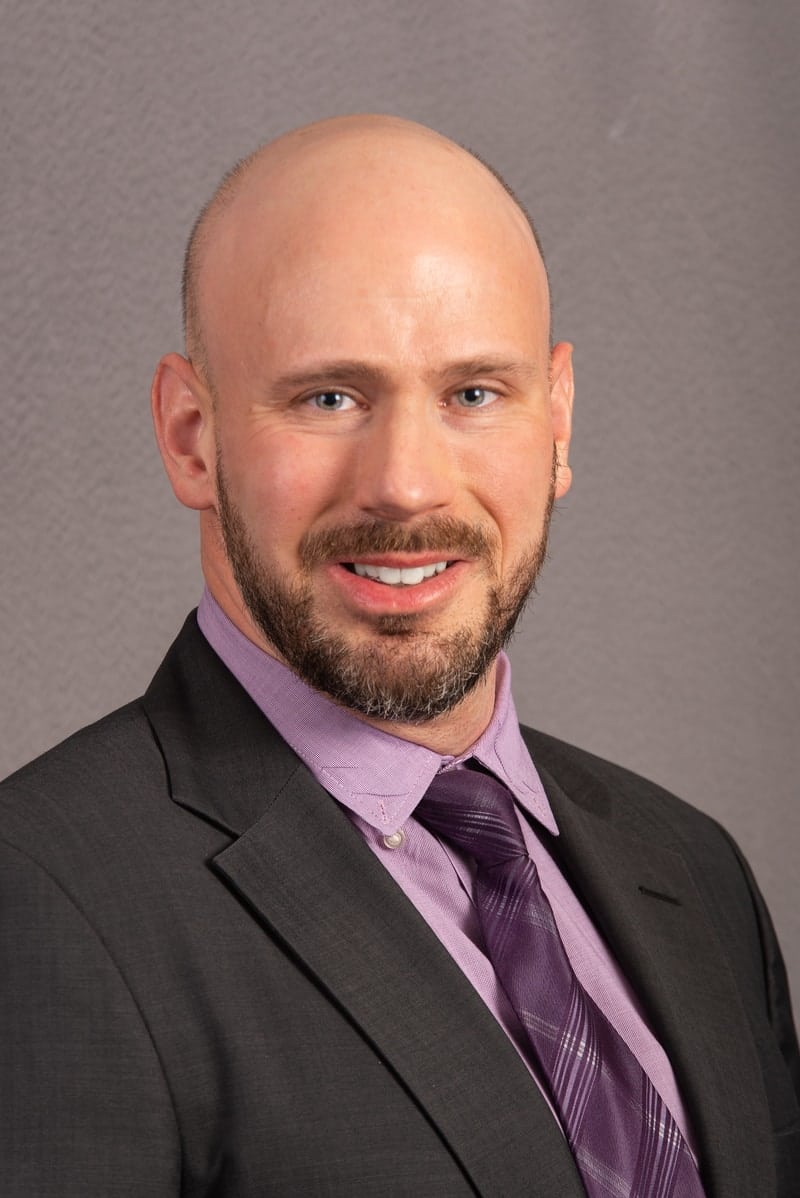
Randy has litigated every type of claim before the Workers' Compensation Board on behalf of hundreds of claimants.
- Admitted in New York, 2008
- New York Law School, J.D. 2007
- With The Disability Guys since 2013
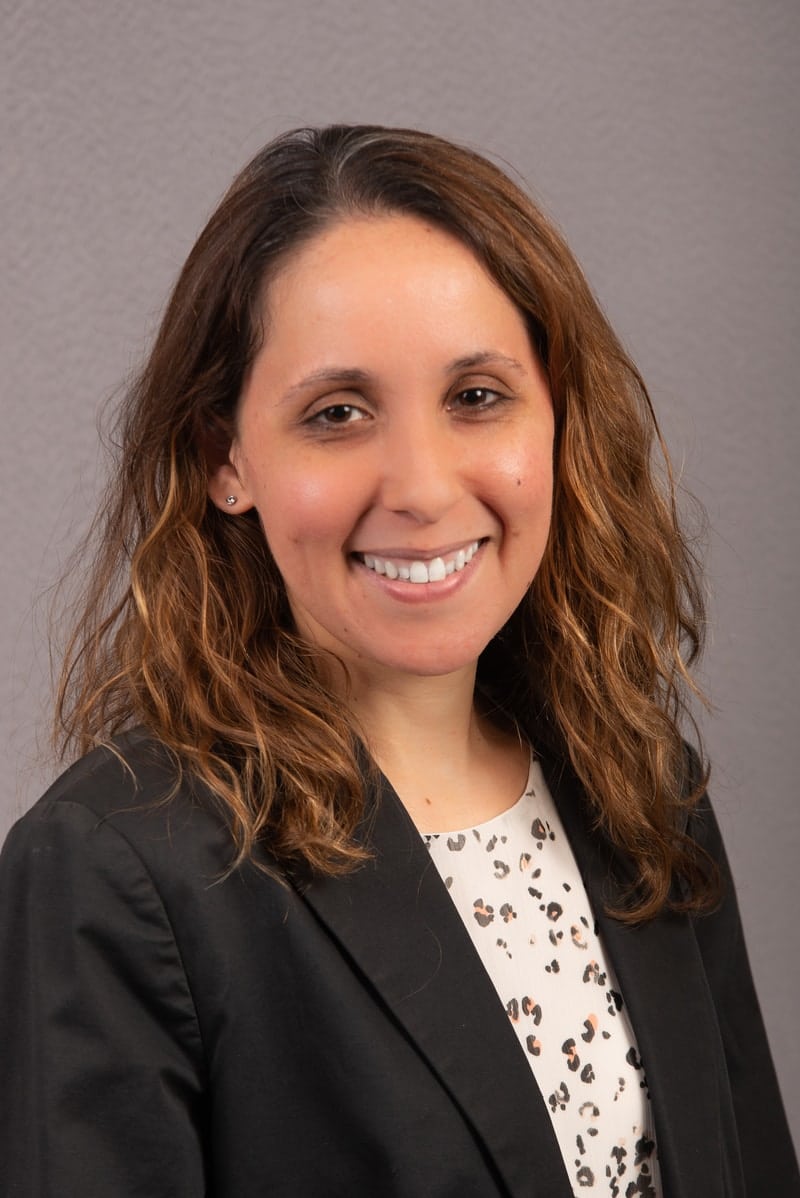
Benai has spent more than a decade fighting for injured workers before the Workers' Compensation Board and the New York State Employees' Retirement Board.
- Admitted in New York, 2007
- 20 years in practice
- Fluent in Spanish
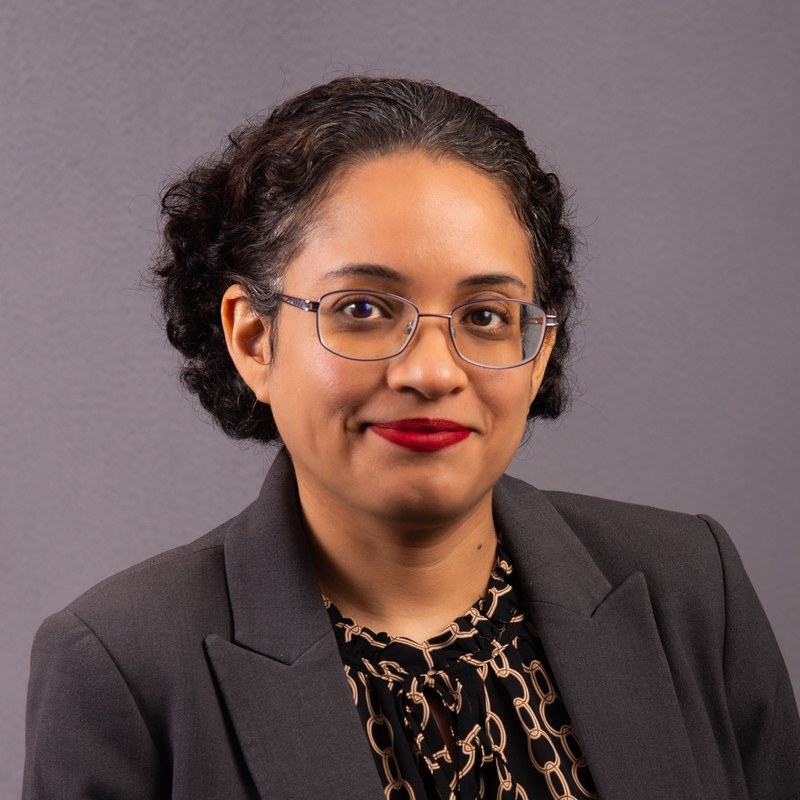
Emily has spent two decades on New York workers' compensation and Social Security Disability matters, including service as an Agency Attorney and Hearing Officer for NYC Transit and the MTA.
- Admitted in New York, 2023
- Albany Law School, J.D. 2022
- Handles Third Department appeals
Lauren represents injured workers in Workers' Compensation matters and handles appeals before the Appellate Division, Third Department.
Talk to a real attorney today.
Free consultation. No fee unless we win. English or Spanish. Day or night.