
Your Diagnosis Alone Does Not Determine Coverage. Your Functional Limitations Do

Broad Coverage, Narrow Application — Why Conditions Get Denied
Group LTD policies are written broadly enough to cover virtually any disabling condition. The problem is not the coverage language — it is the insurer’s interpretation of what your condition actually prevents you from doing. Insurers routinely dispute that claimants with serious diagnoses are truly unable to perform sedentary work. They commission file reviews from physicians who have never met you, order independent medical examinations by doctors who see you once, and compare the results to surveillance and social media activity. Winning an LTD claim requires translating your medical diagnosis into documented functional limitations — the language the policy and the courts actually speak.
What you need to know
Plain-English answers to the questions that come up most often on these cases.
Cardiac and Cardiovascular Conditions
Heart failure, arrhythmia, post-cardiac event limitations, and peripheral vascular disease frequently support LTD claims. Cardiologists must document exertional limitations, post-exertional fatigue, and the impact of medications on concentration and stamina — not just the diagnosis and ejection fraction.
Read moreAutoimmune and Inflammatory Conditions
Lupus, rheumatoid arthritis, multiple sclerosis, Sjogren’s syndrome, and similar conditions present a documentation challenge: symptom variability. A good day does not mean a good work record. Rheumatologist and neurologist documentation of flare frequency, duration, and the cognitive and physical impact of treatment is critical.
Read moreNeurological Conditions
Traumatic brain injury, Parkinson’s disease, ALS, epilepsy, and post-stroke conditions are among the most complex LTD claims to litigate. Cognitive limitations — impaired memory, processing speed, and executive function — are often invisible to a brief IME but devastating to sustained employment. Neuropsychological testing objectifies these deficits.
Read moreOncology — During and After Treatment
Cancer and cancer treatment frequently cause disability that extends well beyond the active treatment phase. Post-chemotherapy cognitive impairment (“chemo brain”), fatigue, neuropathy, and immune suppression can make sustained employment impossible long after a claimant is technically in remission. Oncologists and specialists must document these residual functional limitations explicitly.
Read moreOrthopedic and Musculoskeletal Conditions
Degenerative disc disease, spinal stenosis, herniated discs, and joint conditions are the most commonly denied LTD claims — partly because they are common and partly because insurers assume sedentary work is always possible. A functional capacity evaluation that documents positional limitations, inability to sustain sitting, and the cumulative effects of pain on concentration is often dispositive.
Read moreMental Health Conditions
Major depression, severe anxiety disorders, PTSD, and bipolar disorder can be genuinely disabling — and are among the most contested LTD claims. The 24-month mental-nervous policy limitation and insurer skepticism toward psychiatric diagnoses combine to make thorough documentation from treating psychiatrists and psychologists especially important. Objective testing — neuropsychological and psychological assessment — strengthens these claims.
Read moreHow we handle these cases
Step 1
Identify the specific functional limitations that map to the policy’s disability definition for each diagnosis.
Step 2
Work with treating physicians and specialists to produce function-specific, work-preclusion statements.
Step 3
Commission independent neuropsychological or functional capacity evaluations when the disabling condition is contested.
Step 4
Challenge insurer attempts to apply the mental-nervous limitation to conditions with a documented physical etiology.
Step 5
Coordinate LTD and SSDI filings to build a consistent, mutually reinforcing evidentiary record across both claims.
Real cases. Real results.
Three recent Long-Term Disability outcomes — case context and result. No client identifying information.
A marketing director with lupus had her claim denied because the insurer’s file reviewer concluded she could perform sedentary work. We submitted an independent rheumatology opinion with functional limitations documentation and a flare log. The appeal was approved and benefits began immediately.
An attorney in remission from breast cancer continued to experience severe cognitive impairment and fatigue that prevented sustained legal work. The insurer disputed ongoing disability. Neuropsychological testing and an independent oncology review supported a successful appeal, and benefits were reinstated through the maximum benefit period.
A financial analyst with multi-level cervical stenosis was denied on the grounds that sedentary work remained possible. An independent FCE demonstrated he could not sustain sitting for more than 20 minutes at a time, could not maintain concentration through a standard workday due to pain, and required an unpredictable number of unscheduled absences. Benefits were awarded on appeal.
Prior results do not guarantee a similar outcome. Each case is evaluated on its own facts. The case outcomes shown are representative examples; details have been altered or generalized to protect client confidentiality.
Related questions
Quick answers from our FAQ library.
Other ways we help
Same firm, same approach — different practice areas under one roof.
Workers’ Compensation
Injured at work. Lost wages. Denied benefits.
Learn more →Social Security Disability
Can’t work due to a disability. SSDI & SSI claims, denials, appeals.
Learn more →Personal Injury
Car accident. Construction site. Scaffold Law.
Learn more →Workers’ Rights
Retaliation, wage theft, harassment. Plaintiff-side only.
Learn more →Long-Term Disability lawyers near you
Seven New York offices serving working clients across the state.
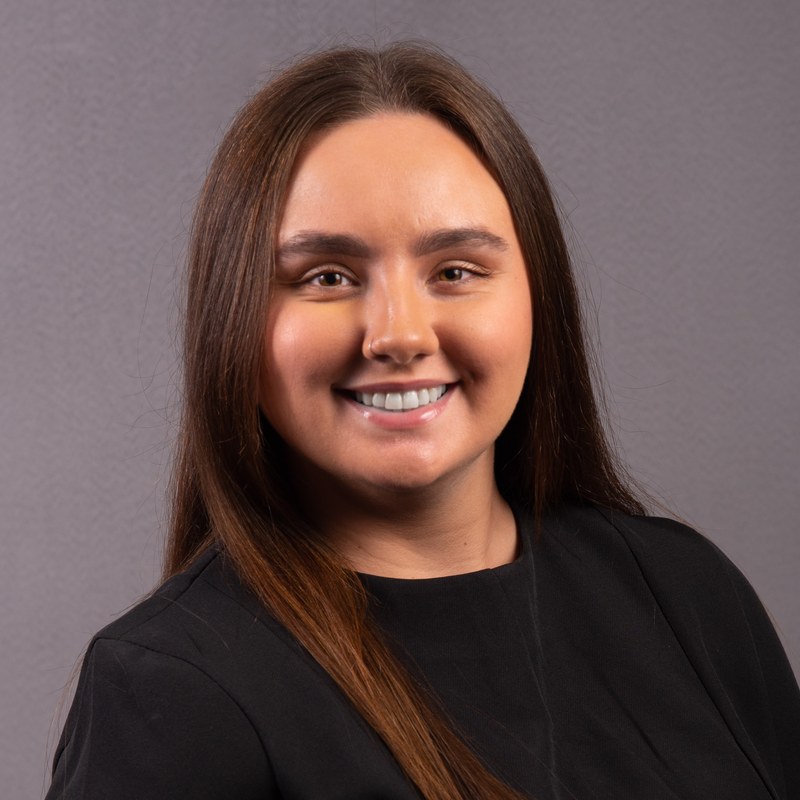
The attorneys who work your case
Not a call center. The lawyer who signs you is the lawyer who shows up.
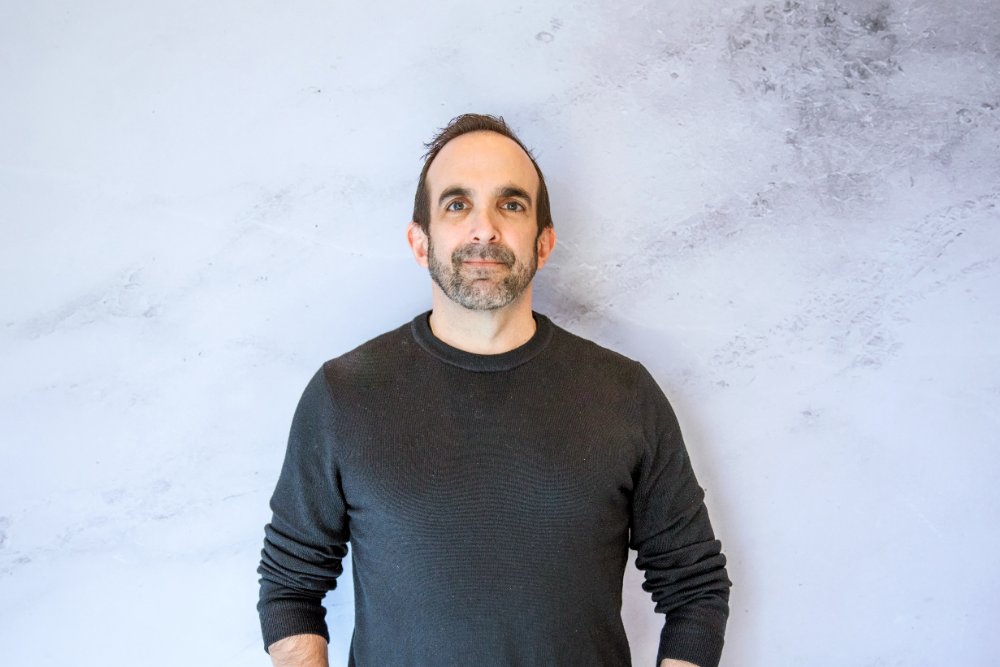
Brian M. Mittman, Esq.
Managing Partner · Markhoff & Mittman, P.C.
Call 866-205-2415 Schedule with Brian- Admitted in New York
- 30+ years in practice
- Attends Board hearings personally
Brian has personally handled New York workers' compensation, SSDI, and personal-injury cases for over three decades. Your case is never handed off to a paralegal.
- Admitted in New York and New Jersey
- Pace University School of Law, J.D.
- Litigates before the Workers' Compensation Board
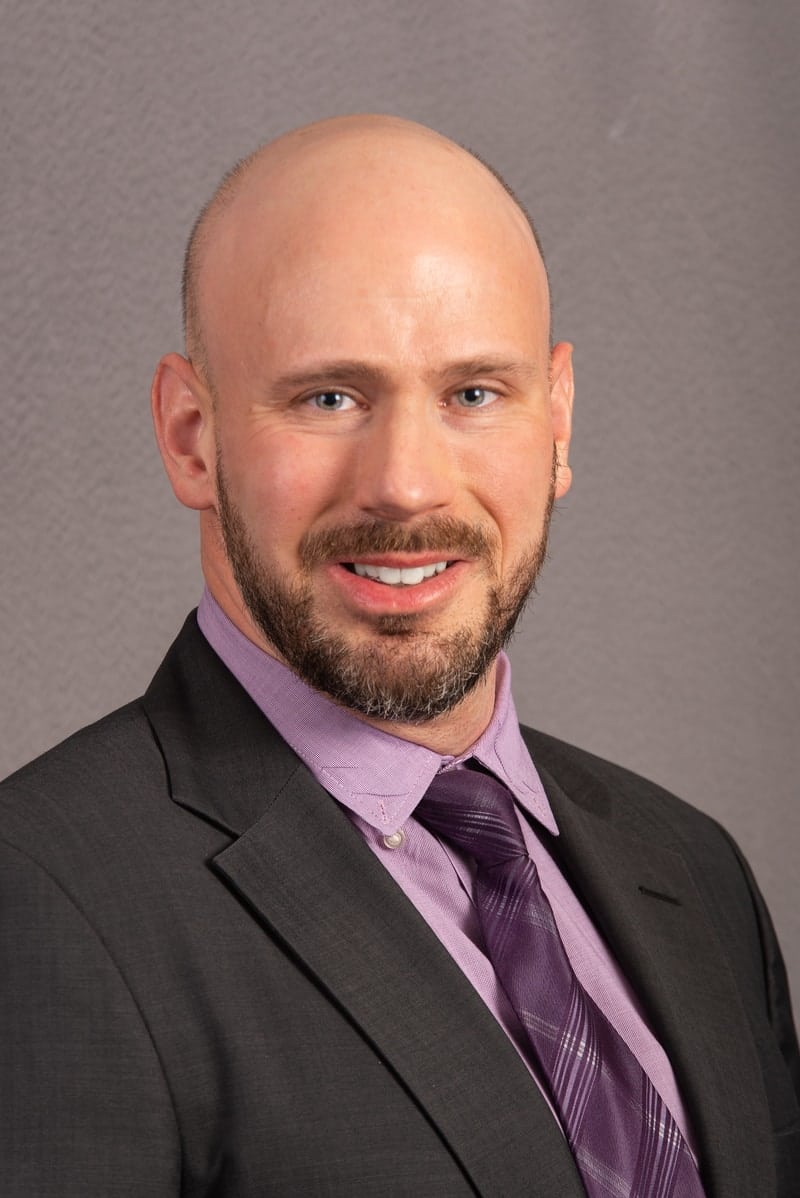
Randy has litigated every type of claim before the Workers' Compensation Board on behalf of hundreds of claimants.
- Admitted in New York, 2008
- New York Law School, J.D. 2007
- With The Disability Guys since 2013
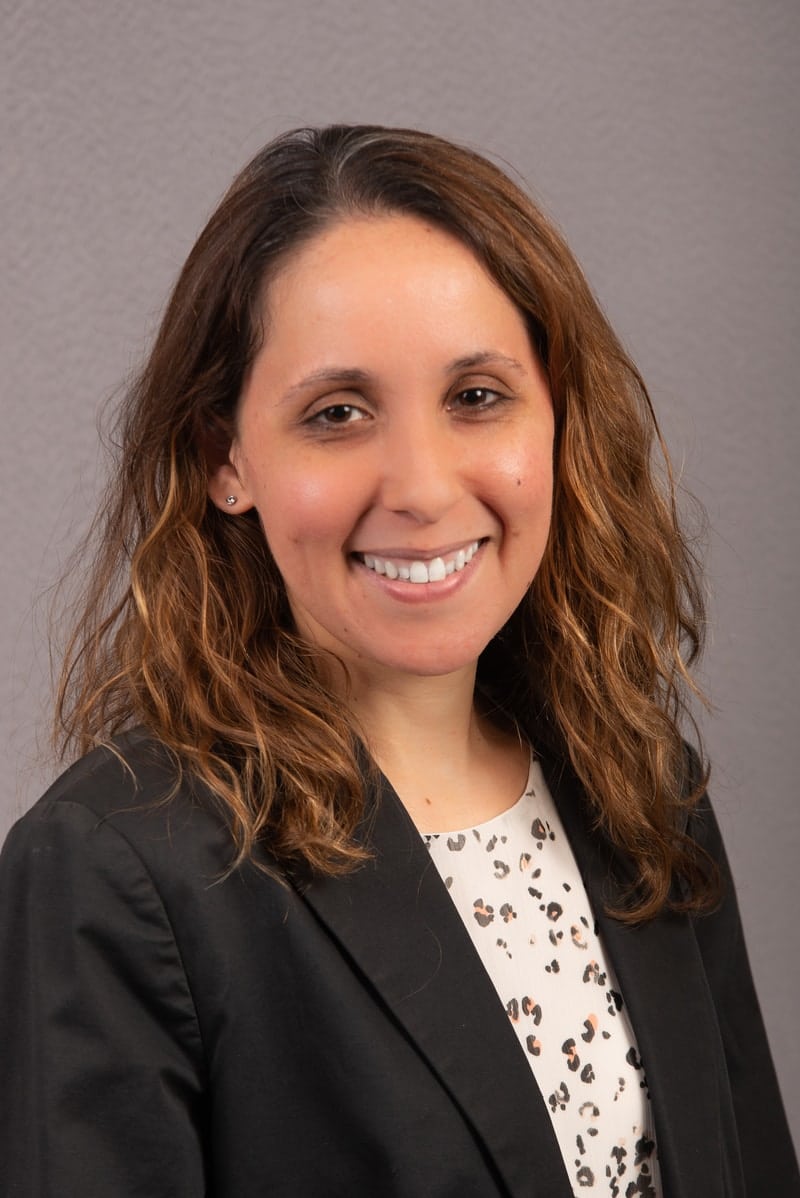
Benai has spent more than a decade fighting for injured workers before the Workers' Compensation Board and the New York State Employees' Retirement Board.
- Admitted in New York, 2007
- 20 years in practice
- Fluent in Spanish
Emily has spent two decades on New York workers' compensation and Social Security Disability matters, including service as an Agency Attorney and Hearing Officer for NYC Transit and the MTA.
- Admitted in New York, 2023
- Albany Law School, J.D. 2022
- Handles Third Department appeals
Lauren represents injured workers in Workers' Compensation matters and handles appeals before the Appellate Division, Third Department.

Need a long-term disability lawyer?
Free consultation. No fee unless we win. English or Spanish. Day or night.