
Do I Qualify for SSDI Benefits?

What SSA Actually Looks For Before Approving You
Social Security Disability Insurance (SSDI) is a federal insurance program created under 42 U.S.C. §423. To qualify you must first pass the insured-status test: you need 40 work credits in general, with 20 earned in the last 10 years before you became disabled. In 2026 you earn one credit for every $1,810 in wages or self-employment income, up to four credits per year. Younger workers can qualify with fewer credits under a special sliding-scale rule, so do not assume you are locked out because you are under 40.
Once insured status is confirmed, SSA runs a five-step sequential evaluation. Step 1 asks whether you are doing Substantial Gainful Activity — earning more than $1,620/month in 2026 (or $2,700/month if you are blind). If you are, the analysis stops and you are denied. Steps 2 and 3 look at whether your condition is severe and whether it meets or equals a listed impairment in the Blue Book. Steps 4 and 5 ask whether you can return to past work or adjust to other work in the national economy. Most approvals at the initial level come at Step 3 or Step 5 via a medical-vocational allowance.
New York applicants face an average initial denial rate above 60 percent, which is why understanding the rules before you file matters. Our attorneys review your work history, pull your earnings record from SSA, and map your medical records to the five-step framework before a single form is submitted. We handle everything in English and Spanish — hablamos español — and charge no attorney fee unless we win your case. The fee is capped by federal law at 25 percent of back pay, not to exceed $7,200.
What you need to know
Plain-English answers to the questions that come up most often on these cases.
Work Credits
You need up to 40 credits, 20 earned in the last 10 years. Earn one credit per $1,810 in wages (2026).
Read moreSGA Threshold
Earning over $1,620/month in 2026 generally disqualifies you at Step 1 of SSA’s evaluation.
Read moreFive-Step Test
SSA uses a sequential five-step analysis defined under 20 C.F.R. §§ 404.1520 to decide every claim.
Read moreBlue Book Listings
Meet a listed impairment and SSA skips Steps 4-5 entirely — the fastest path to approval.
Read moreMedical-Vocational Allowance
No listing match? Your age, education, and RFC can still get you approved at Step 5 via the Grid Rules.
Read moreHow Long It Takes
New York initial decisions average 6-8 months. A denied case that goes to ALJ adds 12-18 months more.
Read moreHow we handle these cases
Earnings Record Review
We request your Social Security Statement and verify your insured-status date before filing. Missing quarters of coverage can sink a claim — we catch them early.
Medical Evidence Mapping
Our team contacts every treating provider, requests records, and cross-references them against the Blue Book and applicable SSRs so nothing helpful is left on the table.
RFC Documentation
Residual Functional Capacity is the key metric SSA uses at Steps 4 and 5. We work with your doctors to produce RFC opinions that accurately reflect what you cannot do.
Onset Date Strategy
Picking the right alleged onset date (AOD) maximizes your back-pay window. We analyze your records to identify the earliest defensible date under SSR 83-20.
No-Fee Guarantee
Our fee is 25 percent of back pay, capped at $7,200 by federal law — and only owed if we win. You pay nothing upfront, ever.
Real cases. Real results.
Three recent Social Security Disability outcomes — case context and result. No client identifying information.
A 54-year-old Queens construction foreman with degenerative disc disease and type 2 diabetes was approved at the initial level after we documented his RFC and matched his spine records to Listing 1.15. Back pay covered 11 months.
A 58-year-old Bronx factory worker denied twice was approved at the ALJ hearing under the Grid Rules (Rule 202.06). Her limited education, sedentary RFC, and age combined to direct a finding of disabled under 20 C.F.R. Part 404, Subpart P, Appendix 2.
A 47-year-old Staten Island client diagnosed with ALS was approved in under 30 days through SSA’s Compassionate Allowances program. We flagged the condition at intake and submitted targeted records immediately.
Prior results do not guarantee a similar outcome. Each case is evaluated on its own facts. The case outcomes shown are representative examples; details have been altered or generalized to protect client confidentiality.
Related questions
Quick answers from our FAQ library.
Other ways we help
Same firm, same approach — different practice areas under one roof.
Workers’ Compensation
Injured at work. Lost wages. Denied benefits.
Learn more →Long-Term Disability
Private LTD insurance denied or cut off. ERISA appeals.
Learn more →Personal Injury
Car accident. Construction site. Scaffold Law.
Learn more →Workers’ Rights
Retaliation, wage theft, harassment. Plaintiff-side only.
Learn more →Social Security Disability lawyers near you
Seven New York offices serving working clients across the state.
The attorneys who work your case
Not a call center. The lawyer who signs you is the lawyer who shows up.
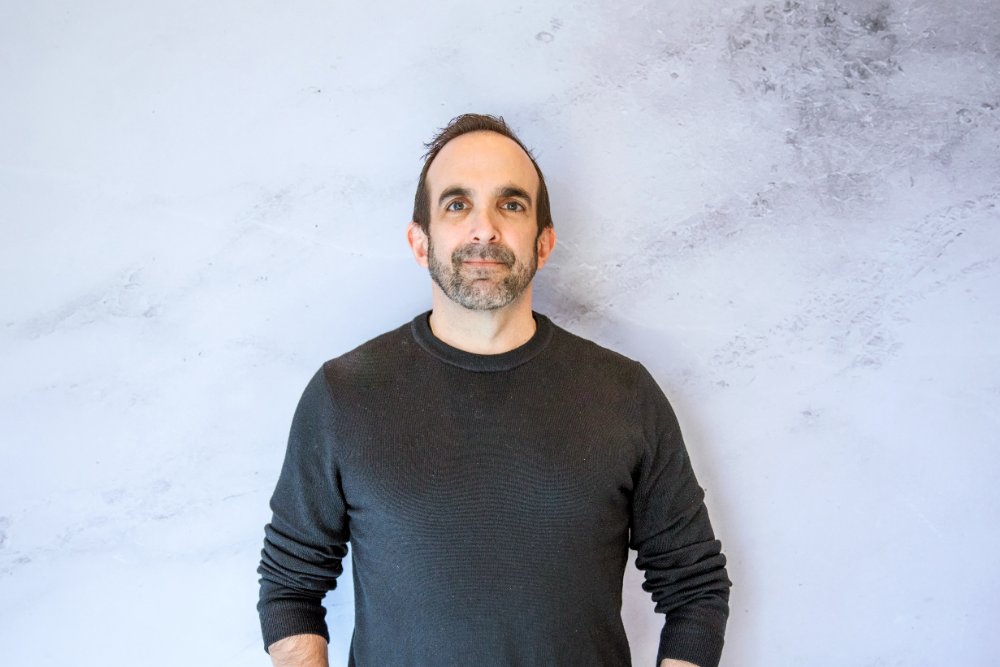
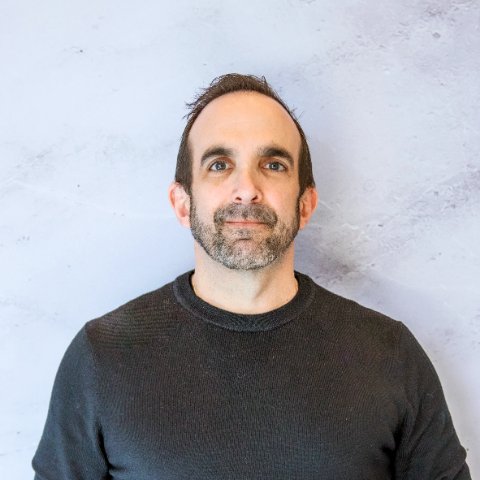
Brian M. Mittman, Esq.
Managing Partner · Markhoff & Mittman, P.C.
Call 866-205-2415 Schedule with Brian- Admitted in New York
- 30+ years in practice
- Attends Board hearings personally
Brian has personally handled New York workers' compensation, SSDI, and personal-injury cases for over three decades. Your case is never handed off to a paralegal.
- Admitted in New York and New Jersey
- Pace University School of Law, J.D.
- Litigates before the Workers' Compensation Board
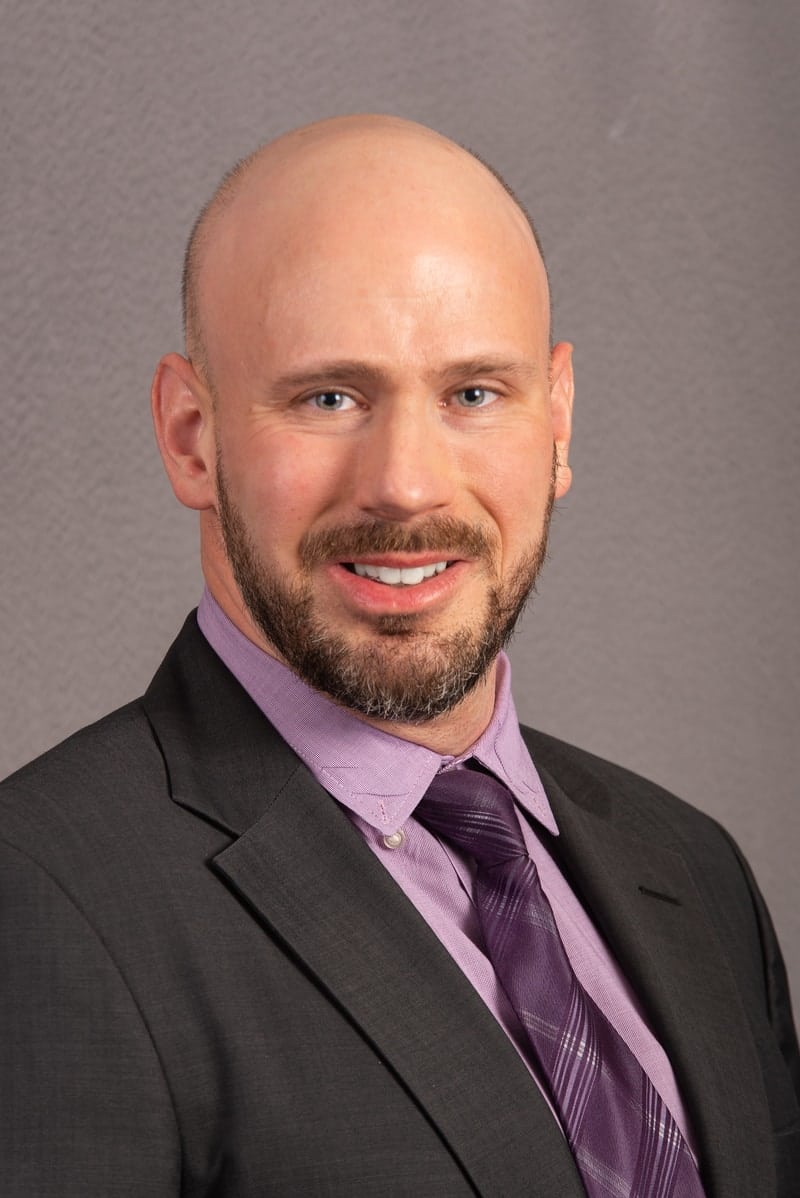
Randy has litigated every type of claim before the Workers' Compensation Board on behalf of hundreds of claimants.
- Admitted in New York, 2008
- New York Law School, J.D. 2007
- With The Disability Guys since 2013
Benai has spent more than a decade fighting for injured workers before the Workers' Compensation Board and the New York State Employees' Retirement Board.
- Admitted in New York, 2007
- 20 years in practice
- Fluent in Spanish
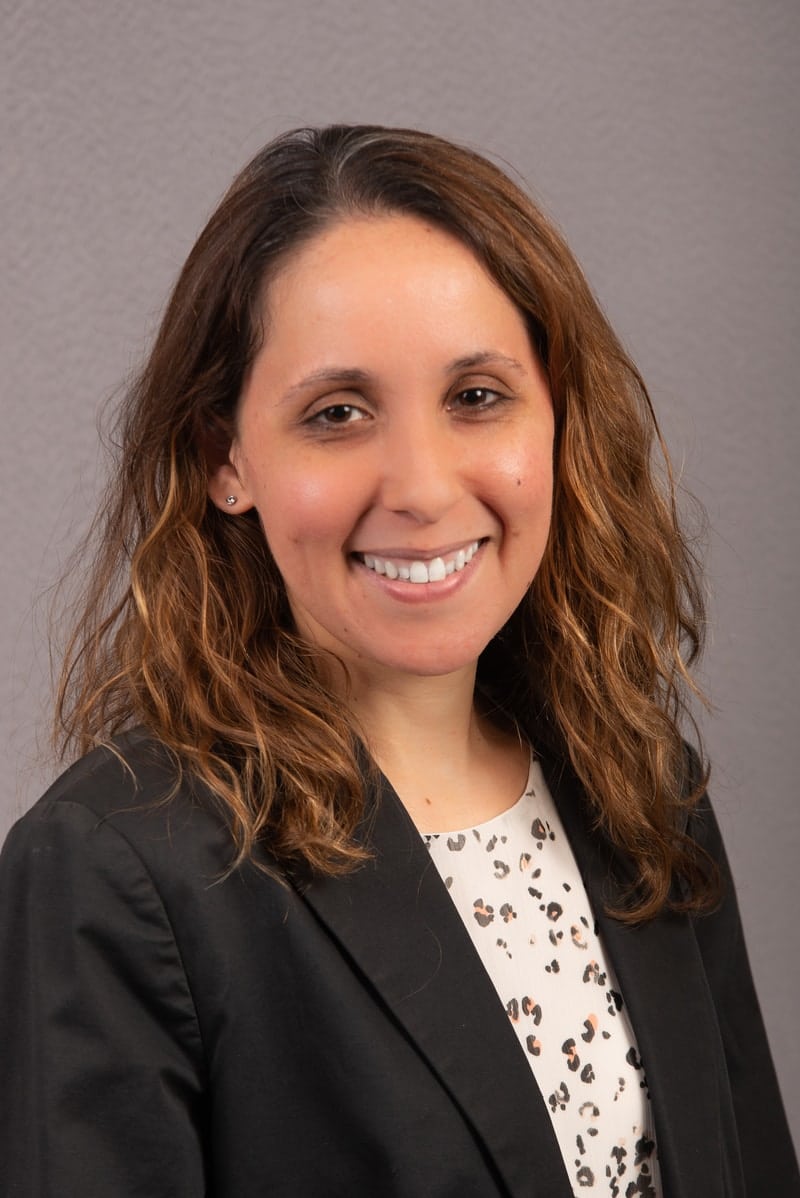
Emily has spent two decades on New York workers' compensation and Social Security Disability matters, including service as an Agency Attorney and Hearing Officer for NYC Transit and the MTA.
- Admitted in New York, 2023
- Albany Law School, J.D. 2022
- Handles Third Department appeals
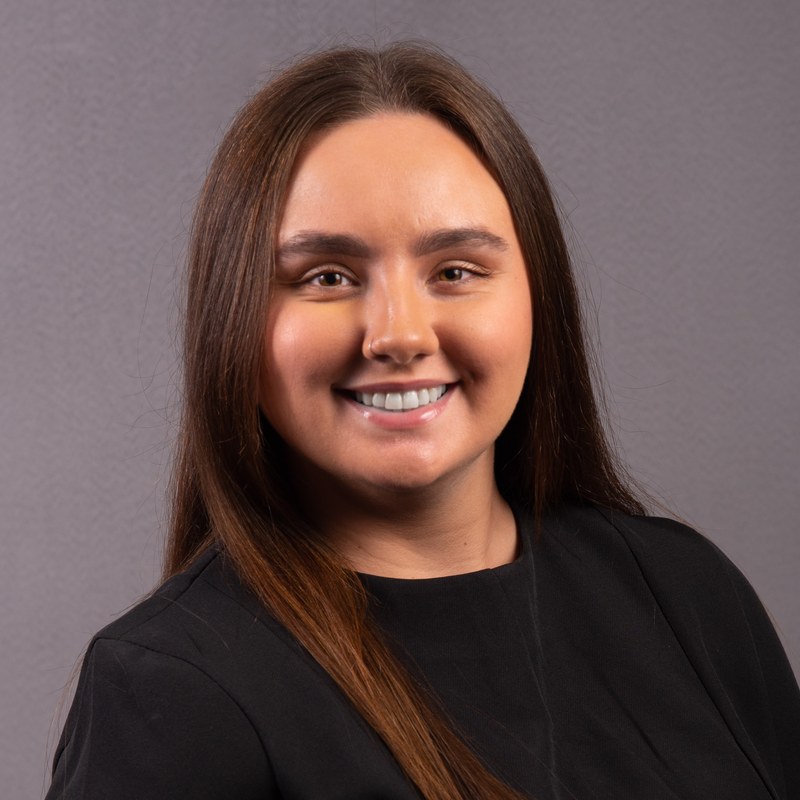
Lauren represents injured workers in Workers' Compensation matters and handles appeals before the Appellate Division, Third Department.

Need a social security disability lawyer?
Free consultation. No fee unless we win. English or Spanish. Day or night.