
How does vocational evidence affect an LTD claim?
What you need to know
Vocational evidence becomes central to an LTD dispute at the 24-month own-to-any-occupation transition. At that point, the insurer will often commission a vocational review — sometimes a paper review by a certified rehabilitation counselor, sometimes a full vocational assessment — to identify occupations you can allegedly perform based on your residual functional capacity.
The insurer’s vocational consultant will typically reference the Dictionary of Occupational Titles (DOT) or O*NET to describe sedentary or light-duty jobs. Common examples used against white-collar claimants: administrative coordinator, data entry supervisor, phone customer service representative. The analysis rarely accounts for cognitive demands, the need for sustained concentration, or the actual labor market for these roles given the claimant’s age, location, and professional background.
Your rebuttal begins with a thorough functional capacity evaluation (FCE) that documents your actual physical and cognitive limitations. Paired with a treating physician’s statement and a counter-vocational assessment from an independent rehabilitation counselor, this evidence can demonstrate that no realistic occupation in the national economy is accessible given your specific profile.
Under Glenn, a court may consider the insurer’s structural conflict of interest when weighing competing vocational opinions. The administrative record is built during the 180-day appeal window under 29 CFR 2560.503-1 — after that, new evidence is generally excluded. We handle ERISA LTD cases on contingency. No fee unless we win.

Other ways we help
Same firm, same approach — different practice areas under one roof.
Workers’ Compensation
Injured at work. Lost wages. Denied benefits.
Learn more →Social Security Disability
Can’t work due to a disability. SSDI & SSI claims, denials, appeals.
Learn more →Personal Injury
Car accident. Construction site. Scaffold Law.
Learn more →Workers’ Rights
Retaliation, wage theft, harassment. Plaintiff-side only.
Learn more →The attorneys who work your case
Not a call center. The lawyer who signs you is the lawyer who shows up.
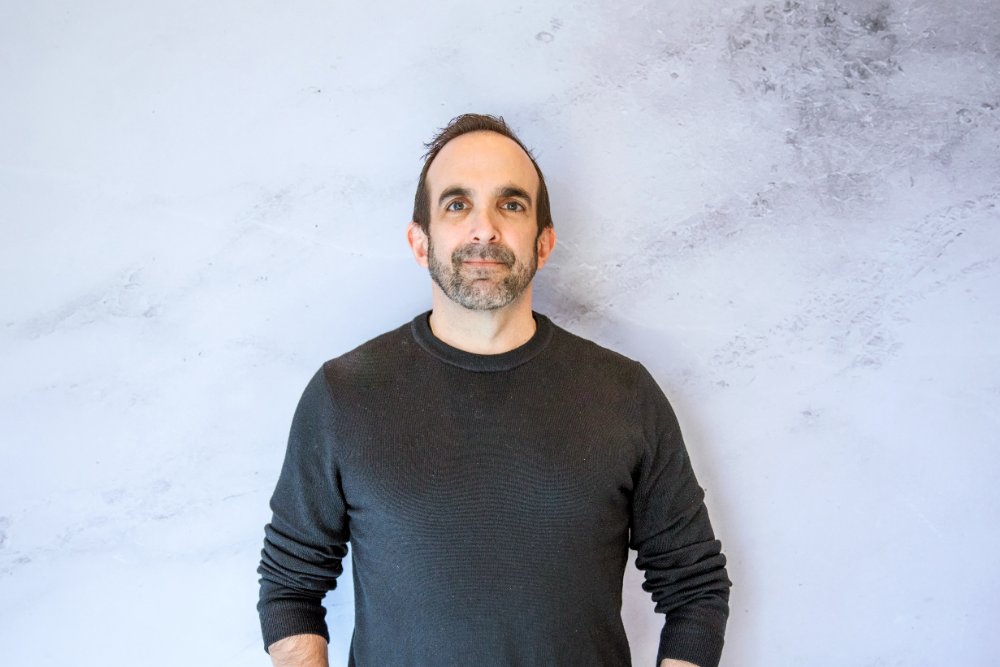
Brian M. Mittman, Esq.
Managing Partner · Markhoff & Mittman, P.C.
Call 866-205-2415 Schedule with Brian- Admitted in New York
- 30+ years in practice
- Attends Board hearings personally
Brian has personally handled New York workers' compensation, SSDI, and personal-injury cases for over three decades. Your case is never handed off to a paralegal.
- Admitted in New York and New Jersey
- Pace University School of Law, J.D.
- Litigates before the Workers' Compensation Board
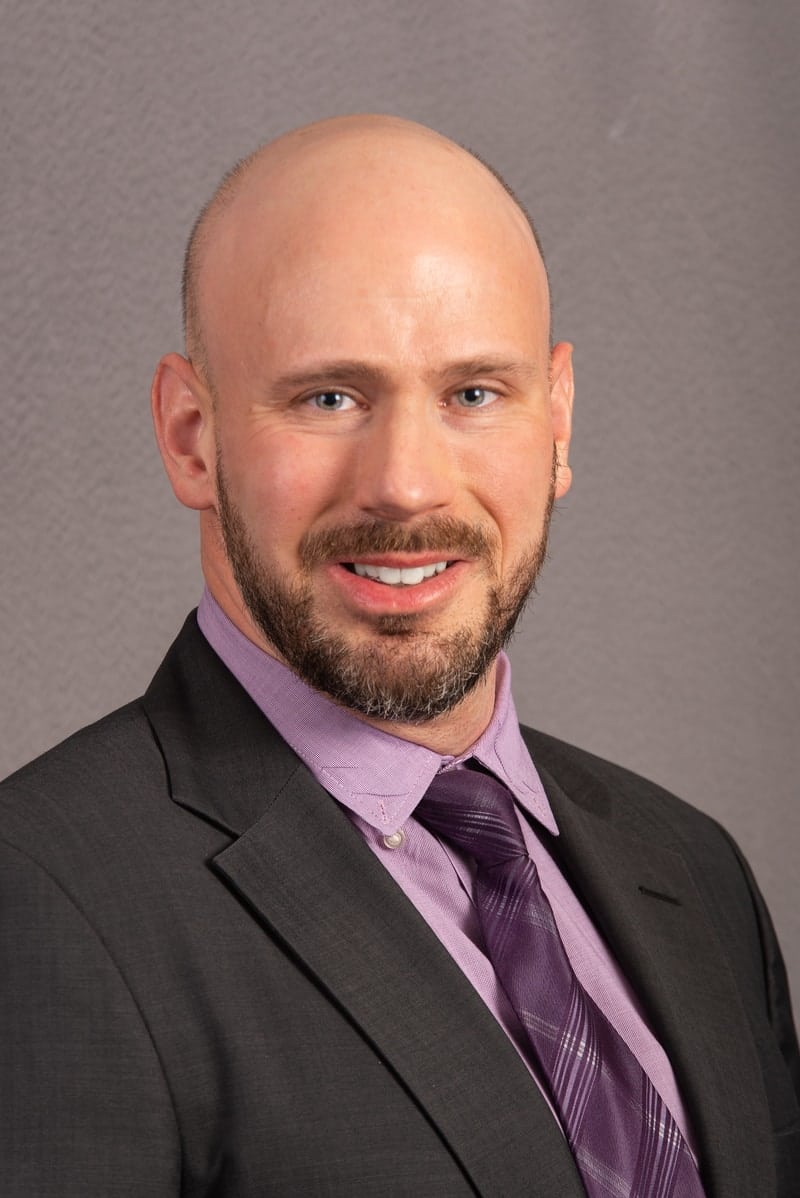
Randy has litigated every type of claim before the Workers' Compensation Board on behalf of hundreds of claimants.
- Admitted in New York, 2008
- New York Law School, J.D. 2007
- With The Disability Guys since 2013
Benai has spent more than a decade fighting for injured workers before the Workers' Compensation Board and the New York State Employees' Retirement Board.
- Admitted in New York, 2007
- 20 years in practice
- Fluent in Spanish
Emily has spent two decades on New York workers' compensation and Social Security Disability matters, including service as an Agency Attorney and Hearing Officer for NYC Transit and the MTA.
- Admitted in New York, 2023
- Albany Law School, J.D. 2022
- Handles Third Department appeals
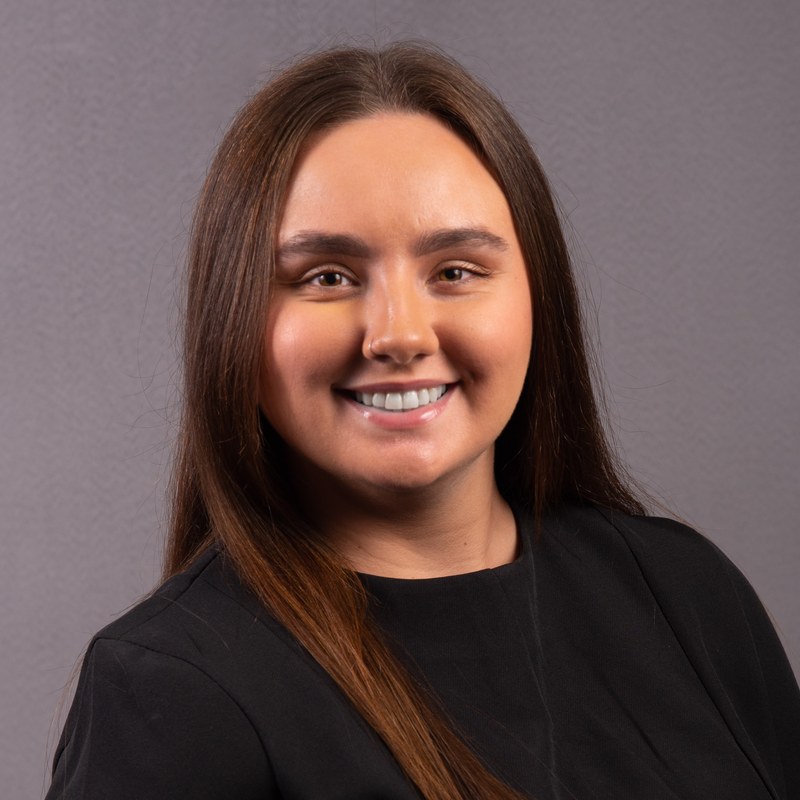
Lauren represents injured workers in Workers' Compensation matters and handles appeals before the Appellate Division, Third Department.


Talk to a real attorney today.
Free consultation. No fee unless we win. English or Spanish. Day or night.