
You Don’t Have To Figure This Out Alone.
When a disability prevents you from working, the financial, emotional, and personal impact can be overwhelming. For more than 93 years, The Disability Guys have helped disabled workers understand their rights, navigate the SSDI process, and move forward with confidence. Whether you’re considering filing for benefits, appealing a denial, or simply aren’t sure where to start, we’re here to help.
Request a free consultation
Tell us what happened. A New York attorney calls you back within hours, not days — in English or Spanish.
Getting denied doesn’t mean you don’t qualify.
The SSDI process can feel overwhelming. You don’t have to face it alone.
Many people who come to us aren’t sure whether they qualify, how to apply, what information SSA requires, why their claim was denied, or how they’ll support their family in the meantime. If any of that sounds familiar, you’re not alone — and there’s a clear next step.
For more than 93 years, The Disability Guys have helped disabled New Yorkers understand their rights, navigate the SSDI and SSI process, and move forward with confidence. A disability claim isn’t just paperwork — it’s about protecting your income, supporting your family, and planning for what comes next.
We’ve represented more than 100,000 injured and disabled workers and recovered more than half a billion dollars in benefits and settlements. Whether you’re just starting to wonder if you qualify, or you’ve already been denied and need to appeal, our team is ready to listen, answer your questions, and help you understand your options — in English or Spanish.
Wherever you are in the process, we can help.
Six common starting points — and two questions clients ask constantly. Pick the one that matches where you are today.
Do I Qualify for SSDI?
Two tests stand between you and a monthly check: work credits and a medical disability that keeps you from working. We help you clear both.
Read moreSSDI vs SSI Explained
Both pay disability benefits, but the rules, the money, and the health coverage are completely different. Get clear on which one applies to you.
Read moreThe SSDI Application Process
Two forms, dozens of questions, and a five-month waiting period. Know what to file — and what never to say — before you submit anything.
Read moreSSDI Denials and Appeals
A denial is not the end. The appeals process has four levels, and approval rates climb at every stage when you have a lawyer.
Read moreALJ Hearings: What to Expect
Most SSDI claims are won here. Walk into your hearing knowing what will happen, not discovering it in the room.
Read moreMental Health SSDI Claims
Depression, anxiety, PTSD, bipolar disorder, and schizophrenia are all covered — the challenge is proving severity, and we know how.
Read moreThe 5-Month Waiting Period
SSA does not pay for the first five full months of disability. Here’s how it affects your back pay — and how to plan around it.
Read moreWhat Are the Grid Rules?
If you’re 50 or older, SSA’s Grid Rules can direct an approval based on your age, education, and residual functional capacity.
Read moreThe SSDI process, step by step.
Apply For Benefits
File Form SSA-16 and the Disability Report (SSA-3368) online, by phone, or at a local SSA office. File as early as possible — your back-pay window is capped at 12 months before your application date.
Application Review
SSA’s Disability Determination Services reviews your medical records, work history, and earnings record. Initial decisions in New York take about 6-8 months on average.
Approval Or Denial
More than 60% of initial New York applications are denied. A denial is not the end of your case — for most claimants, it’s just the first step.
Appeal If Necessary
You have 60 days to request Reconsideration, and 60 more to request an ALJ hearing if needed. Most approvals happen at the hearing stage, not at initial review.
Receive Benefits
Once approved, SSA calculates your back pay and begins monthly payments. SSDI recipients receive Medicare automatically after 24 months of benefits.
Questions we hear every day
Real questions from New York SSDI clients, answered in plain English. Browse more answers →
What’s the difference between SSDI and SSI?
SSDI (Social Security Disability Insurance) pays benefits based on your work history and Social Security taxes paid. SSI (Supplemental Security Income) is need-based — no work history required. In 2026 the maximum federal SSI payment is $967/month for an individual. Both programs use the same medical definition of disability under 42 U.S.C. §423.
How many work credits do I need to qualify for SSDI?
Most adults under 62 need 40 work credits — 20 of which must be earned in the 10 years before disability onset. In 2026, one credit equals $1,810 in covered earnings; you can earn up to 4 credits per year. Younger workers need fewer credits under a sliding scale in 42 U.S.C. §423(c).
What is Substantial Gainful Activity (SGA) and how does it affect my claim?
SGA is an earnings threshold SSA uses to decide if you are working too much to be disabled. In 2026 the SGA limit is $1,620/month for non-blind claimants and $2,700/month for blind claimants. Earning above SGA when you apply results in an automatic denial at Step 1 of SSA’s five-step evaluation.
What is the 5-month waiting period for SSDI?
SSA does not pay SSDI benefits for the first 5 full calendar months after your established onset date. This is required by 42 U.S.C. §423(a)(1). The sixth month after onset is your first potential payment month. The waiting period does not apply to SSI.
How is SSDI back pay calculated?
SSDI back pay covers the months between your established onset date (plus the 5-month waiting period) and the date SSA approves your claim, paid as a lump sum. Retroactive benefits are capped at 12 months before your application date. Attorney fees are capped at 25% of back pay or $7,200, whichever is less.
What percentage of SSDI claims are denied?
SSA denies approximately 65-67% of initial SSDI applications. Reconsideration denial rates run even higher, around 87%. At the ALJ hearing level, roughly 45% of cases are denied — meaning most claimants who reach a hearing win. Represented claimants are approved at significantly higher rates than unrepresented ones.
What happens at an ALJ hearing for Social Security disability?
An Administrative Law Judge (ALJ) hearing is a formal but non-adversarial proceeding where the judge reviews your disability claim fresh. Hearings typically last 45-75 minutes. A Vocational Expert almost always testifies about jobs you might still be able to do. You have the right to be represented under 20 C.F.R. §404.950.
What are the Social Security Grid Rules?
The Grid Rules (20 C.F.R. Part 404, Subpart P, Appendix 2) are tables SSA uses at Step 5 to direct a disability finding based on your residual functional capacity, age, education, and prior work skill level. Claimants aged 50+ with a sedentary or light RFC and unskilled work history often get approved under these rules.
How long does the SSDI process take in New York?
In New York, initial SSDI decisions take about 3-6 months. Reconsideration adds another 3-5 months. If you need an ALJ hearing, wait times at the New York City and Long Island hearing offices currently average 18-24 months from request to hearing.
What could your monthly SSDI benefit look like?
This is a simplified, illustrative example only — not a personalized benefit estimate or an official SSA determination. Your actual SSDI benefit is calculated by the Social Security Administration from your specific lifetime earnings record. Talk to us for a real evaluation of your case.
Real cases. Real results.
Three representative SSDI outcomes from our New York practice. Details have been altered to protect client confidentiality.
A Queens construction foreman with degenerative disc disease and type 2 diabetes was approved without ever needing to appeal, after we matched his spine records to an SSA listing and documented his residual functional capacity.
A Harlem bus driver was denied at the initial and reconsideration stages. At his ALJ hearing, we cross-examined the vocational expert and submitted a treating-physician RFC that the judge credited over SSA’s own assessment.
A Bronx veteran with combat PTSD had been denied twice. We introduced VA records and a vocational impact statement showing he could not sustain a normal work schedule, and the judge approved his claim in full.
Prior results do not guarantee a similar outcome. Each case is evaluated on its own facts. The case outcomes shown are representative examples; details have been altered or generalized to protect client confidentiality.
Other ways we help
Same firm, same approach — different practice areas under one roof.
Workers’ Compensation
Injured at work. Lost wages. Denied benefits.
Learn more →Long-Term Disability
Private LTD insurance denied or cut off. ERISA appeals.
Learn more →Personal Injury
Car accident. Construction site. Scaffold Law.
Learn more →Workers’ Rights
Retaliation, wage theft, harassment. Plaintiff-side only.
Learn more →Find a lawyer near you
Seven offices in the towns working New Yorkers actually live.
The attorneys who work your case
Not a call centre. The lawyer who signs you is the lawyer who shows up.
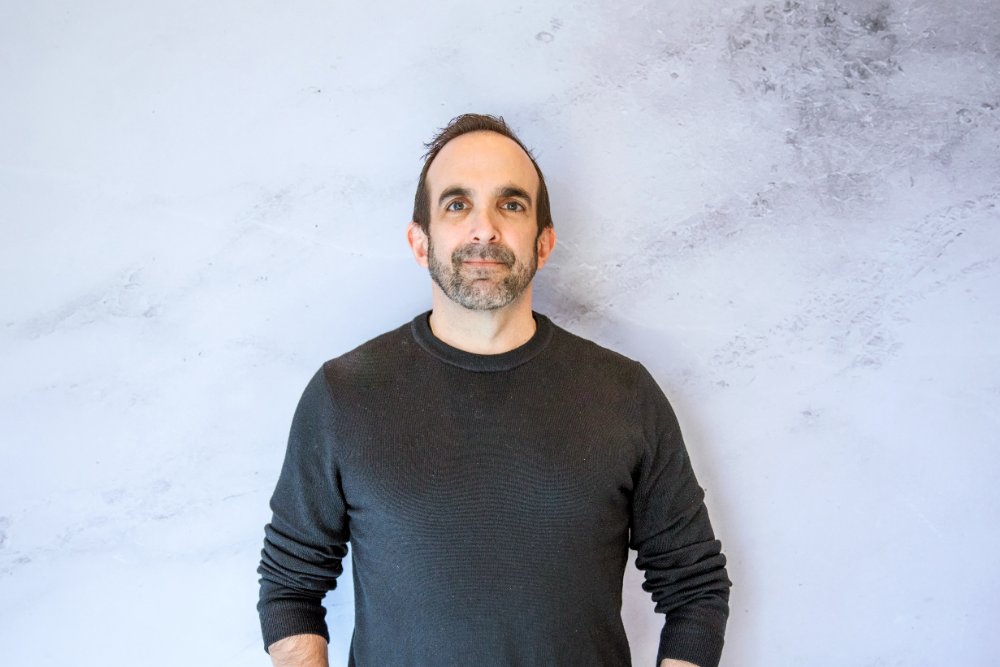
Brian M. Mittman, Esq.
Managing Partner · Markhoff & Mittman, P.C.
Call 866-205-2415 Schedule with Brian- Admitted in New York
- 30+ years in practice
- Attends Board hearings personally
Brian has personally handled New York workers' compensation, SSDI, and personal-injury cases for over three decades. Your case is never handed off to a paralegal.
- Admitted in New York and New Jersey
- Pace University School of Law, J.D.
- Litigates before the Workers' Compensation Board
Randy has litigated every type of claim before the Workers' Compensation Board on behalf of hundreds of claimants.
- Admitted in New York, 2008
- New York Law School, J.D. 2007
- With The Disability Guys since 2013
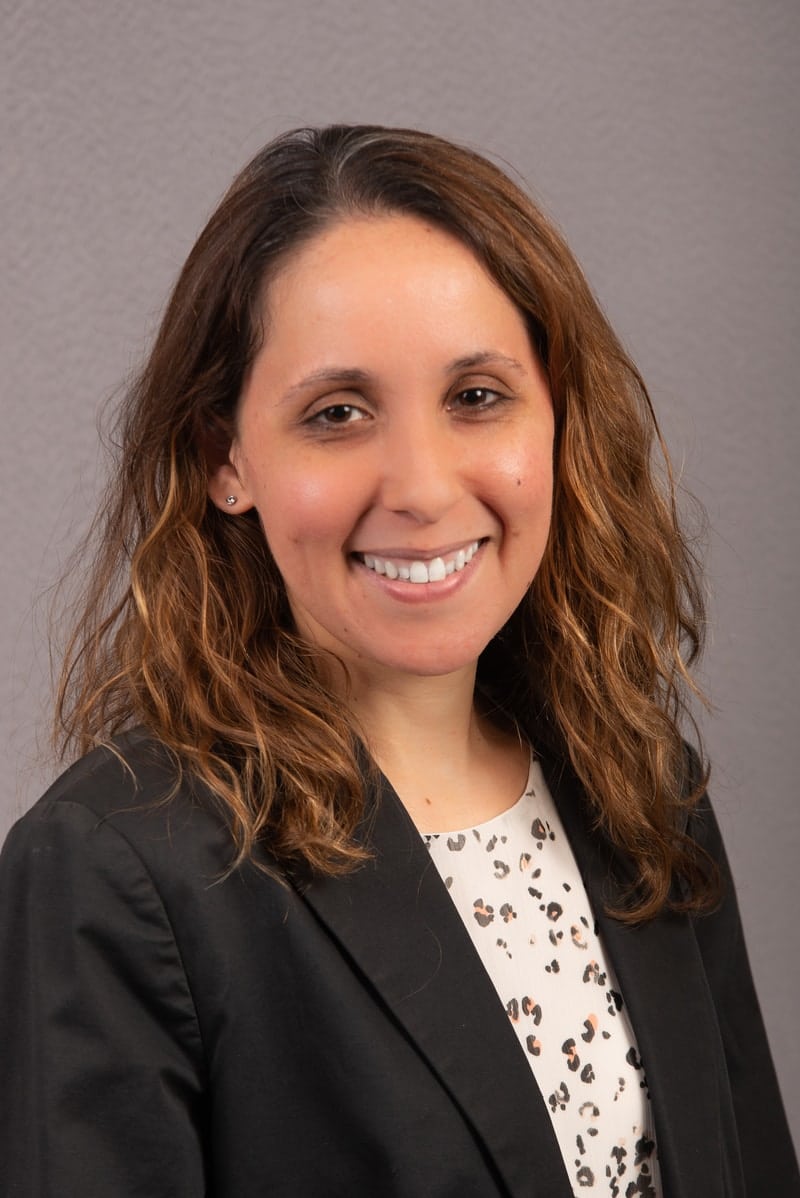
Benai has spent more than a decade fighting for injured workers before the Workers' Compensation Board and the New York State Employees' Retirement Board.
Talk to a real attorney today.
Free consultation. No fee unless we win. English or Spanish. Day or night.